
Solve the most common barriers to drawing (that you impose on yourself) through conscious seeing
The following obstacles to drawing that one makes for oneself I could experience with many people and also with myself.
- Pressure to want to draw something, just like a photo and dissatisfaction because you do not succeed
- The drawing looks inanimate, as if dead
- The drawing looks hyperrealistic, photogenic – but dead
- Fear, you do not get the proportions right, The proportions do not fit
- You tense up at the subject – you want to get as close to the subject as possible and you’re tense inside – stuck to the contour etc.
- Unclear how to approach the implementation of the drawing (contour, shading, etc.)
- You think you can’t draw – and you have to study anatomy or practice for 10 years to get better at it.
- You try to draw a motif, but it doesn’t work and you desperately wonder why
Basically, you forget in all 8 points: You forget the conscious observation process – you draw when you are fascinated by a motif, but you do not observe the motif concretely or too little and too superficially and have not developed a sufficient feeling for your motif. The model, a photograph or a model – and the drawing are and always remain two different things. In drawing, one must always perform a process of transformation or transformation and transform an object with a new medium, a brush, a pen into colors, strokes, surfaces. And for that you have to look at it very consciously and experience it before drawing.
(The following points are related to figurative drawing, but in principle it can be applied to all subjects, portraits, details, animals, plants, landscapes, etc.)
Therefore, for all 8 points, you can train yourself in the following aspects:
I.Consciously understand the essential overall expression of a posture
II. Consciously seeing and studying each area of the body before drawing
V. Awareness and feeling for the concrete expression – the expression is not something “subjective-emotional” but it originates from the object.
VI. Choose a medium of expression
I. Consciously understand the essential overall expression of a posture

(Half moon, anjaneyasana, Heinz Grill.) In almost all of Heinz Grill’s yoga poses, one can observe a conscious, articulated distribution of tension: Arms, head and shoulders are relaxed, the middle of the back and the chest are very actively engaged, the legs centered to the hips.
a) In what situation is the person you are drawing?
It is about empathizing with another person in real life and slipping into his skin for some time and developing a feeling for him.
How does he think, feel and act?
What is the overall expression in his body? The overall expression is very often reflected most strongly in the spine with head posture.
Capture the overall expression through concrete criteria…: Lightness/heaviness, width/narrowness, dynamics/staticity, centering/decentering, concentration/decentering, tension/relaxation, form/formlessness, etc. and recognize how this is visibly expressed in the body.
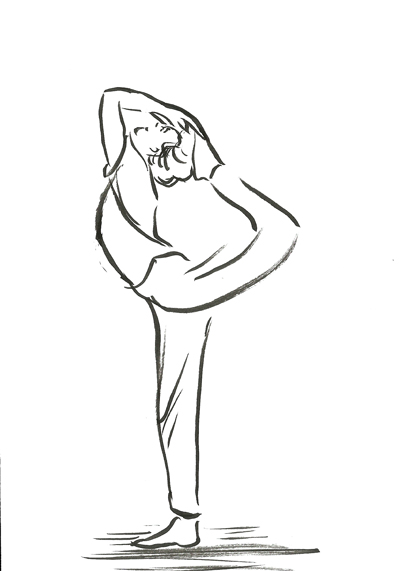
The dancer swings especially lightly upwards. The upper part of the body seems to be carried upwards and floats above the supporting leg.
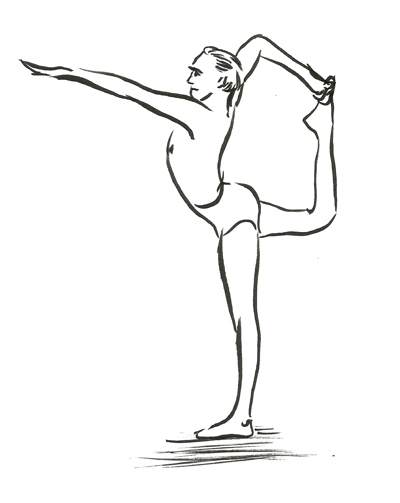
Arms, torso, legs and head are presice and neatly inserted in the space and the execution is technically very accurate.
b) What are the dynamic lines of posture?
Identify the most significant lines in the posture.
A posture seems to be static at first sight, but it is actually always the case that a movement is also expressed by the posture.
Postures have one or more dynamic lines. In art they are called “line of action, or line of dynamic” . It is like a big, abstract dynamic of movement that determines the whole body expression. It is the lines that shape the movement the most. Often but not always these lines are in correlation with the spine.


Here, the spine very strongly shapes the posture of the head. The head is as if free above the body.

Here, the diagonal from the stretched arm to the head tends to be more emphasized. The eyes and the gaze continue the line of dynamics.
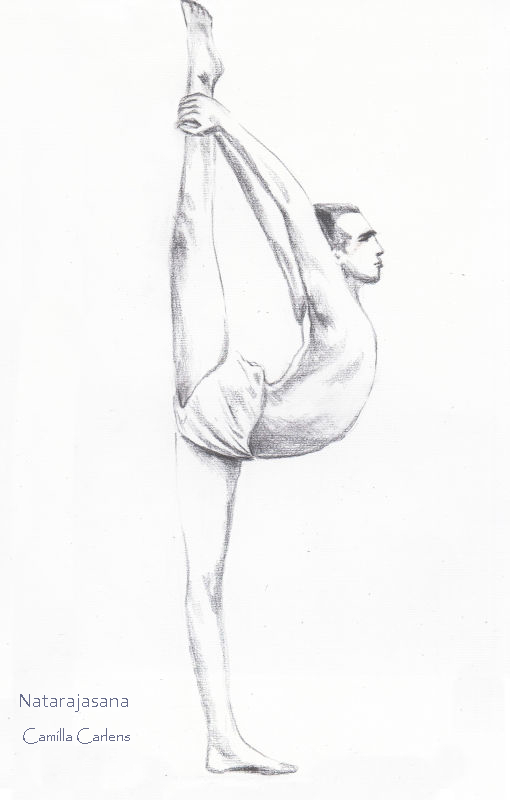
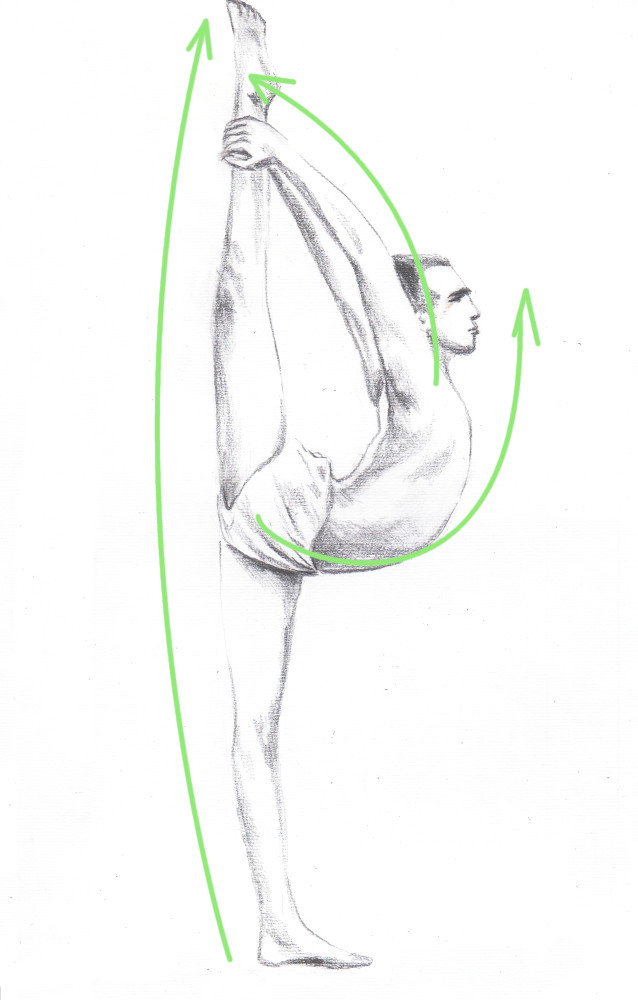
c) What is the facial expression of the human being?
Among other things, this is very strongly determined by the look of the eyes. What is the look of the eyes like? Is it awake, concentrated, inward, calm, sleepy, tired, turned inward, turned outward? By what does the expression show? What are the criteria? e.g. What is the posture of the head, the look/direction of the eyes, eyebrows, tension in the mouth area, etc.?

The facial expression in both Geeta Iyengar and BKS Iyengar is calm and at the same time concentrated and directed outward.
d) Study forms of expression through comparison
Especially if you compare two people and look at them in a similar posture – not judging but objectively – you can recognize the individual differences and the characteristic of a posture particularly well.
e) How is the geometry – the metric in an exercise?
Awareness of geometry, of metrics, of the perpendicular, of balanced proportions develops a new sense of a harmony and order and proportion of a movement of the body. Especially if one has difficulties with proportions, it is very advisable to study the geometries in a posture.
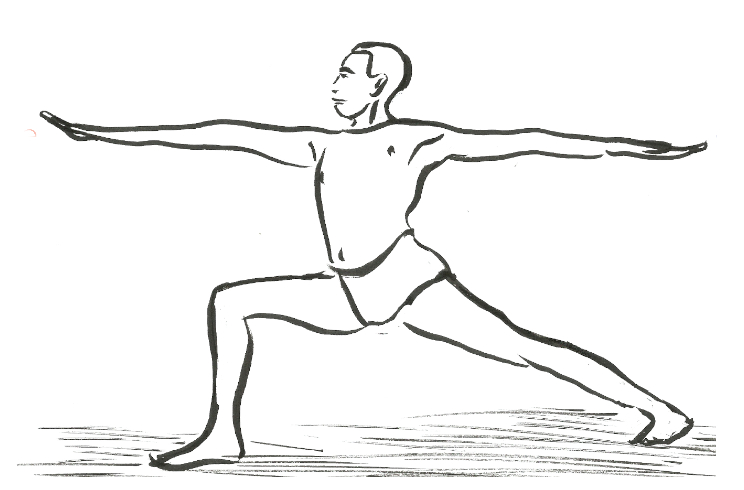
This warrior posture shows a harmonious stretching in three directions: Legs and stretched arms are extended forward and backward, the spine and back with the head form the vertical axis in space.
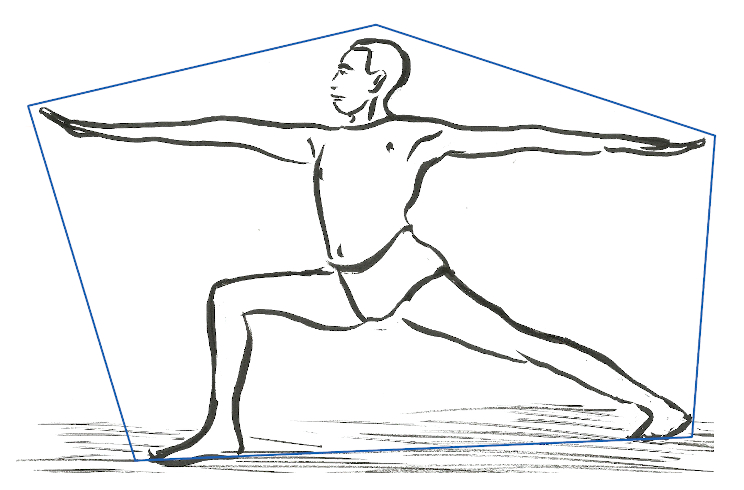
The whole body stretches out on a plane through five “space points” and forms a pentagon.
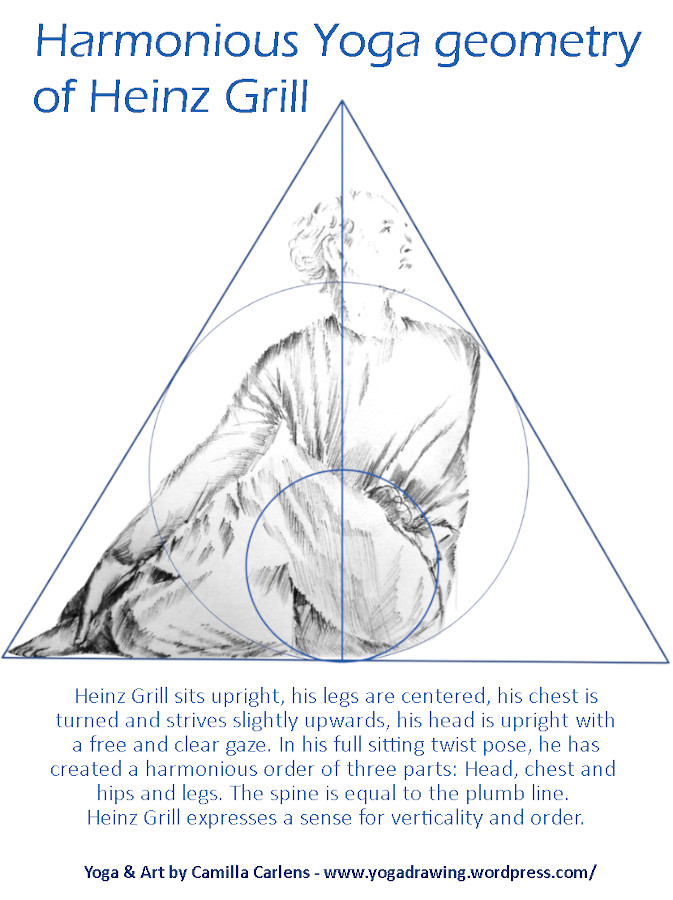
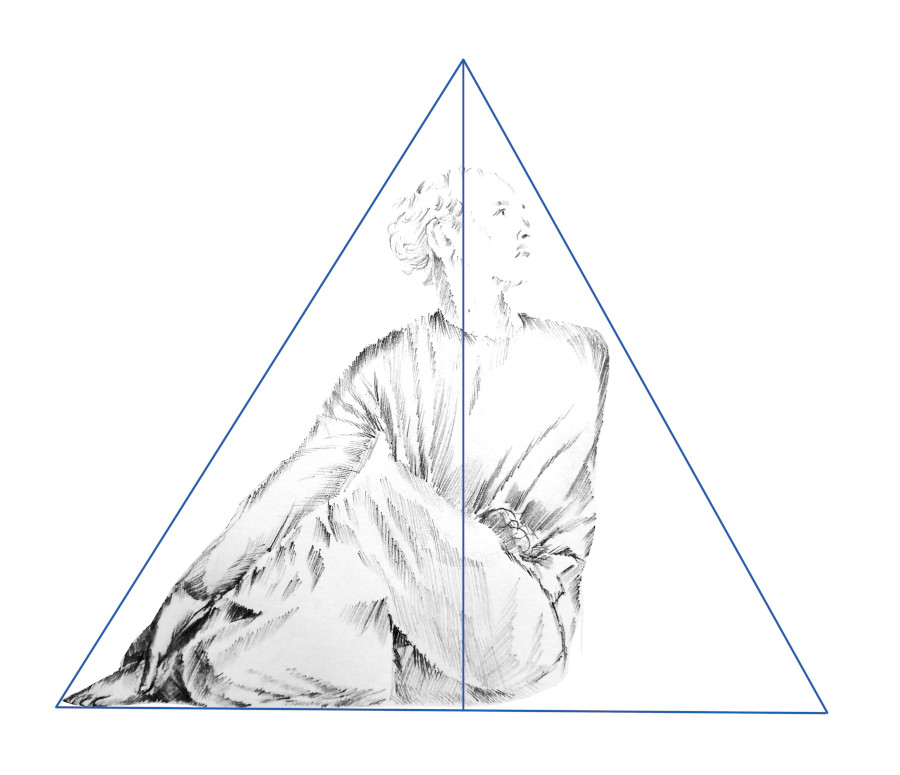
In this complete twisted seat, the spine is equal to the plumb line. Heinz Grill expresses a sense of the verticality of the plumb line. The whole body forms a triangle.
This posture by Heinz Grill expresses a very orderly and harmonious form, it is neither overstretched nor powerless. The front chest is open and the rotation demonstrates a free, upward dynamic.
II. consciously seeing and studying the individual parts of the body before drawing
Name the prominent areas and feel into the body zones and their expression and sensation – OBJECTIVELY AND CONCRETELY.
Which body zone is striking?
Which part of the body emphasizes the expression of the body the most?
What is the expression of the hand, leg, spine?
How does a part e.g. the arms, legs, head relate to each other?
How are the legs/arms in relation to the torso?
How does the spine relate to movement?
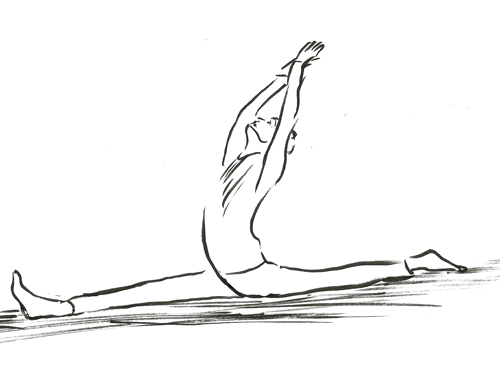
The chest is dynamic and rises upwards. The dynamics are strongest in the middle of the body. The legs look very extended and long.
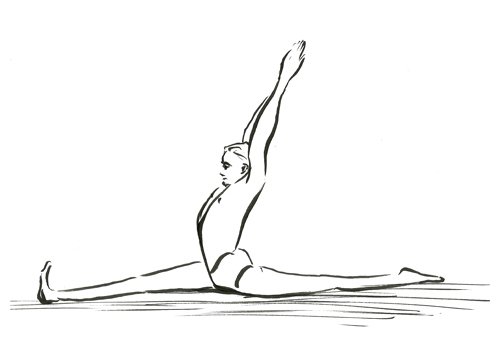
The exercise shows an exact technique, the shape of all body parts are precisely aligned. The direction upwards as well as forwards and backwards is emphasized especially in Iyengar.
“To draw means to learn to see” is a quote from the German poet Johann Wolfgang von Goethe. First you observe a certain characteristic of a posture, then you feel its quality and then you implement it in drawing or painting.
Study tension relationships of posture, dynamics – passivity of body lines distinguished. What is the essence, the expression of the head? Of the legs? Study and experience the posture of the person you draw in its various limbs. You then think the things you see.

Both postures show tension relations. However, they are executed slightly differently. Iyengar (left) coordinates the movement very strongly with the legs and stretches from there in an arc up to the fingertips. Heinz Grill (right) tends to have a somewhat calmer upper body, which nevertheless lifts slightly from the chest. The arms seem light, but less tensed as with Iyengar.
“If you hear an inner voice saying, “You can’t paint,” then by all means paint to silence that voice.” Vincent van Gogh
III. Light study
Study light and shadow and tonal gradations/grayscale ranges.

The light comes from the front, it is very clear and provides clear light-shadow differentiation. there are some very dark zones and clear light-shadow contrasts.
- Finally, one studies the light (in the case of color drawings in an appropriate way the colorfulness):
- What are the brightnesses?
- What are the brightest, what are the middle and what are the darkest zones?
- What are the tonal grades? Tonal gradations?
- How is the light and shadow in the body parts/on the clothes?
- Where does the light come from?
Hatching exercises
Observe where the light is coming from. Observe the different shades of gray and hatch only the shadow areas- hatch the lightest, lightest shadow areas lightly and with less pressure. Hatch the middle shadow areas a little darker and the darkest areas the strongest and darkest. The shades of gray in the image should be recognizable in the drawing.

Here I have hatched on dark paper. The procedure is reversed. Instead of the shadow, you hatch the light. The lightest areas are hatched most strongly with white, darker areas a little more lightly, and the darkest areas remain unhatched.

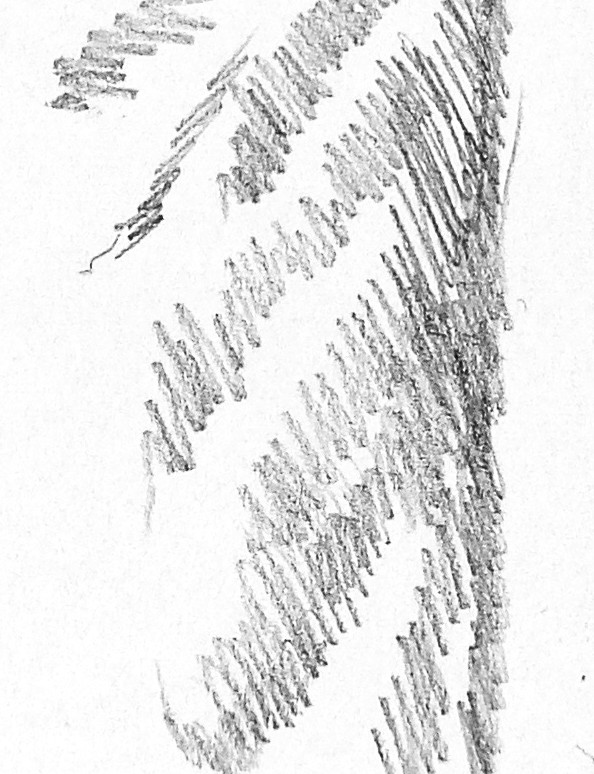
Here I have hatched with pencil on white paper. Roughly I have divided the drawing into three tone values: In light gray (light pressure), in medium gray (slightly stronger pressure) and in dark gray (very strong pressure).
This simple drawing exercise is very suitable for beginners. It is the easiest way to learn the process of conscious observation. You learn to objectively observe the shades of the subject and transform them into hatching.
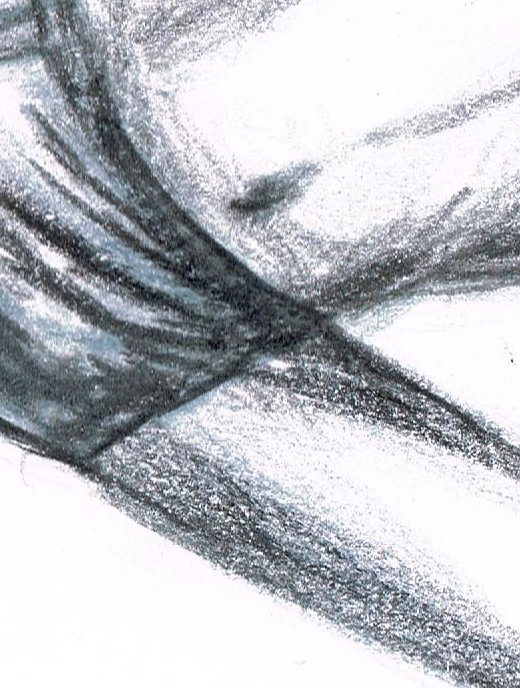
Hatching can be done in various ways: You can try to hatch with single lines (left) and vary the density and intensity, or without lines and vary the pressure (right)
IV. Imagination exercises
Observe concrete features first, then look away or go home, and draw what you are looking at again from memory.
What is seen can now be thought. When Picasso said, “I paint things as I think them, not as I see them.” This quote can be understood in different ways. It can be interpreted to mean that one does not look at things, but paints them as one subjectively thinks or interprets them. However, I would not understand this quote in this way. From my experience, a very valuable insight lies hidden in this quote.
Picasso describes the process of how he paints things. But how, from what does he draw? Sure, you always have to look at something first. But Picasso writes that he times how he thinks them. You can also see something and think it again consciously in your own imagination. One paints then that, which one imagined consciously mentally. This does not mean that one does not draw less realistically. But from what does one draw? According to another interpretation of Picasso’s quotation, one can also understand it in such a way that one does not paint or draw from the direct, immediate visual process, but from the conscious thought image, from the mental imagination. The drawing can then become just as realistic, but the beginning of the drawing then starts from the thought process, and not from the direct seeing or also from the subjective emotion. The thought process is then like interposed and the painter, Picasso creates his painted picture from his thought image – regardless of whether he draws it realistically or somewhat more expressively.
Drawing from the imagination – without looking directly at the subject
You choose a subject and consciously observe it according to certain criteria and then put it aside or go home and draw from your imagination.
“I did not reject an impulse to draw landscape sketches; during walks in the spring, especially near Jena, I picked up some object that wanted to qualify as a picture, and then tried to put it on paper at home. Likewise, my imagination was easily excited by stories, so that I immediately sought to sketch out places that were spoken of in conversation.” Johann Wolfgang von Goethe
By imagination, Goethe does not mean fantasy. Imagination is to be understood here literally as the power to form a picture of something that one is looking at. Today it can be equated with imagination.
V. Awareness and feeling for the concrete expression – the expression is not something “subjective -emotional”, but it originates from the object.
You know the expression and you can name it exactly and RECALL it – you draw the expression of the “hand”, “the neck” – you draw the concrete expression you observed and you do not draw the pro forma head from memory or according to a scheme, but you recreate the whole motif.
“To be a good painter you need four things: a soft heart, a fine eye, a light hand and always freshly washed brushes.” Anselm Feuerbach
There is a subjective expression – and there is an objective expression. The subjective expression is personal. It can correspond to the object, but it does not have to. Most of the time you don’t know your subjective expression yourself and it is very often overloaded with emotions. It is very good if you know these two forms of expression – your subjective expression consciously and can distinguish them from the objective expression.
If one has looked at a head exactly, then one will find it easier with the next head, however, one must perform this process again and again. In the following quotation Martisse describes that the “old pictures” of the roses, which one has already seen as a painting, play no role in the new picture.
“There is nothing more difficult for a painter than to paint a rose, because to do so he must first forget all the roses that have ever been painted.”
Henri Matisse
a) Drawing exercise: Draw the expression of a yoga posture from the lines of action.

Drawing with a brush is very well suited, because the brush movement allows a lot of different dynamics. Pressure and speed of movement of the brush, amount of ink, drawing with the tip or the whole width of the brush allows a very wide range of expression. It is also very playful.
Quite simple and immediately possible for everyone is to practice dynamic strokes. A single stroke can express a lot. It can be strict, firm, hard, soft, formed, wobbly, free, airy, light, heavy, hard, … . The language and expression of a stroke can be learned to model. This way of drawing is related to Chinese ink painting. However, it differs from this point that not years of training first slowly develops a stroke, but that one draws directly from the conscious observation and imagination.

Each stroke has a different expression. Depending on the desired goal, you can create many different effects. You can vary the pressure, you can draw lines with the tip or with the whole width of the brush or you can vary the speed and lead the swing of the hand more easily or more strictly.

I drew these drawings very quickly with the tip of the brush.

These drawings I drew with the width of the brush – also very fast.
VI. Chose a medium of expression

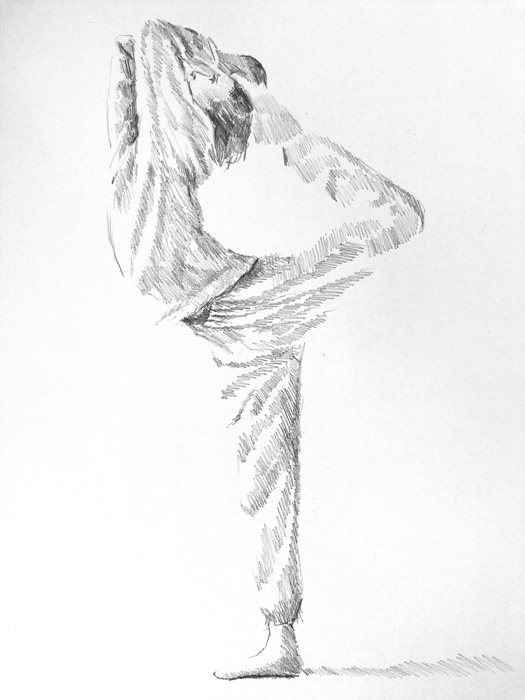
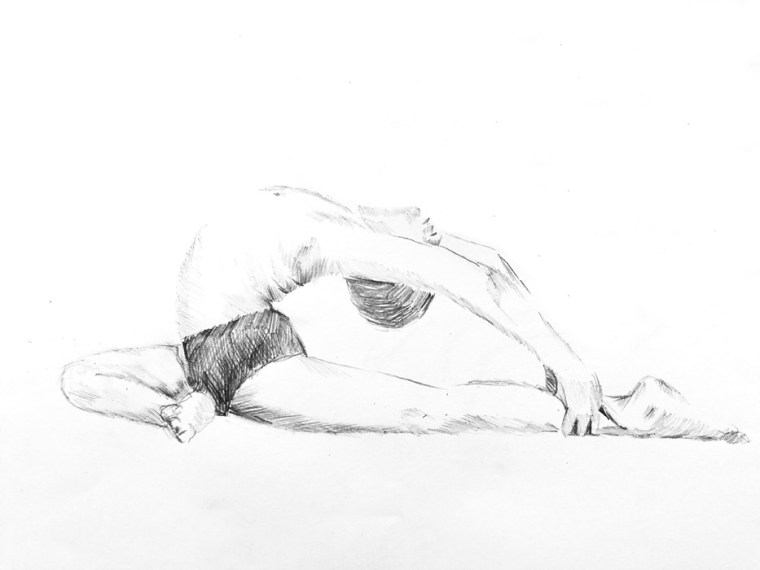
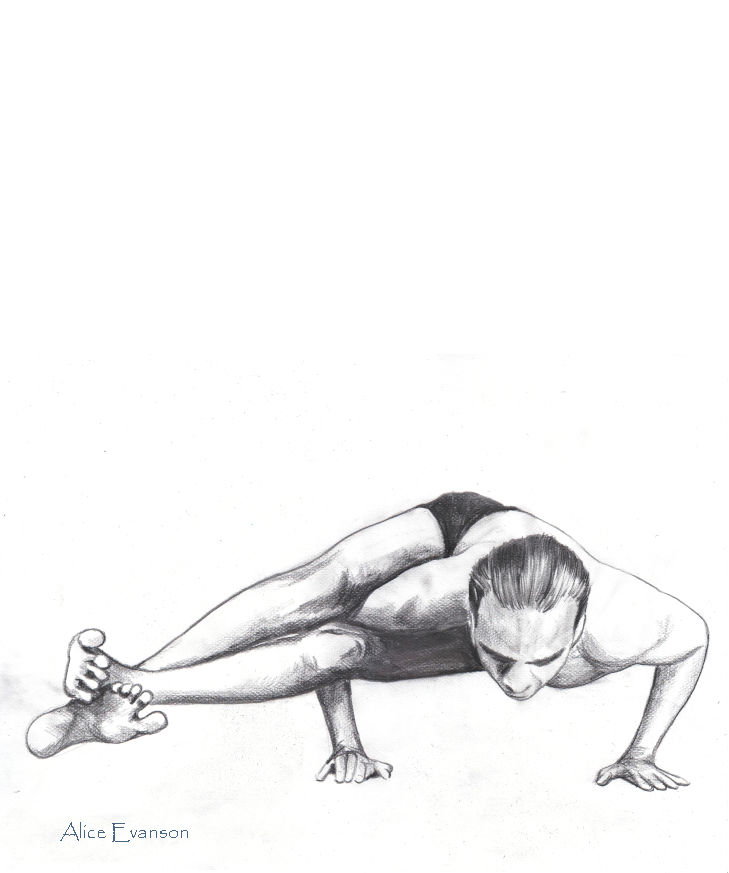
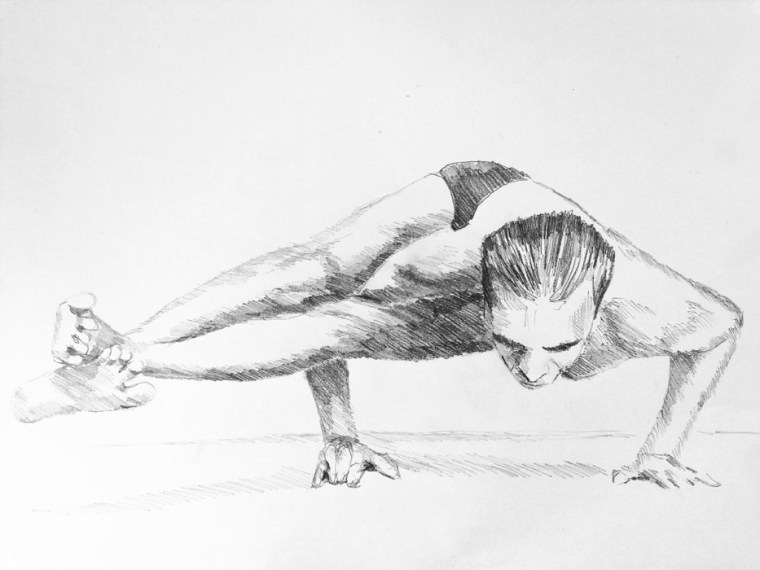
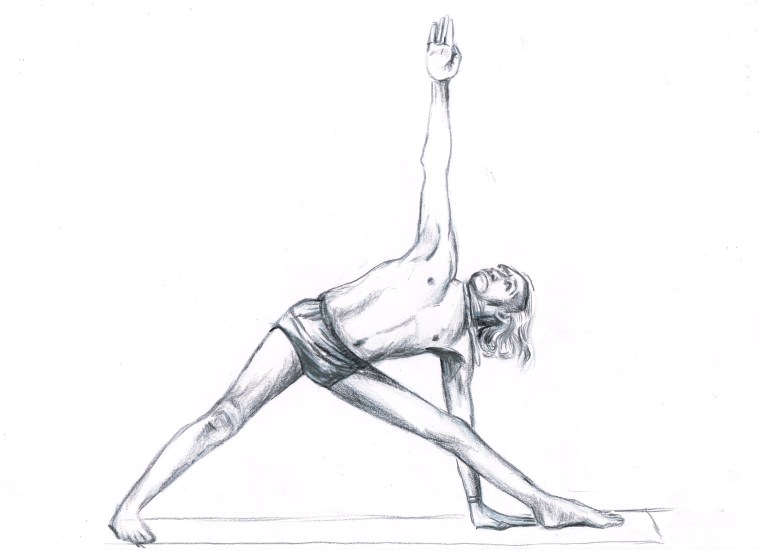
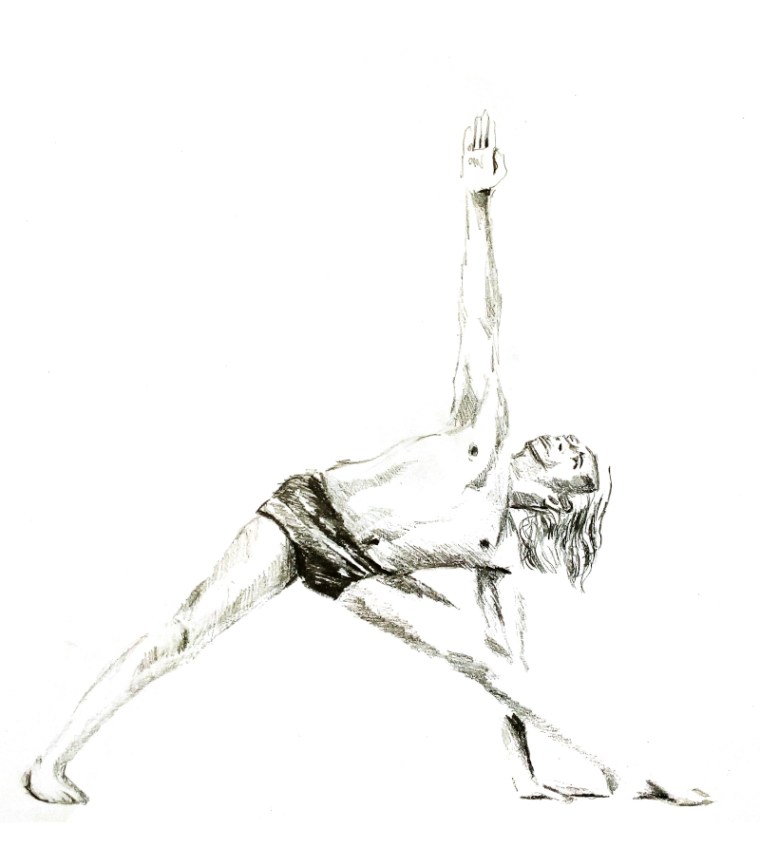
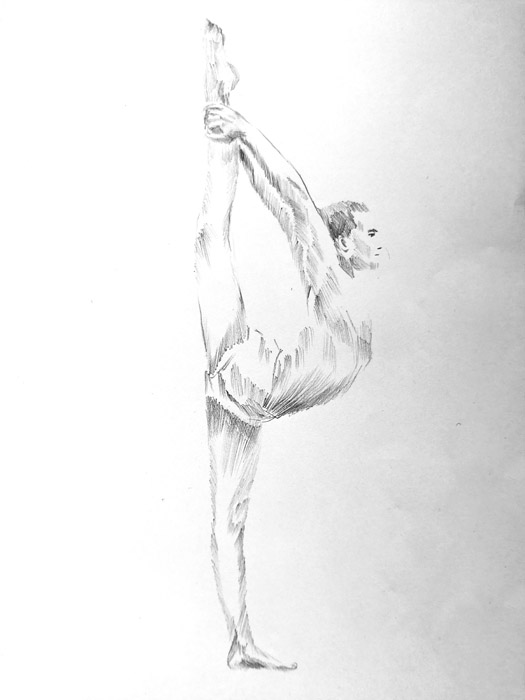
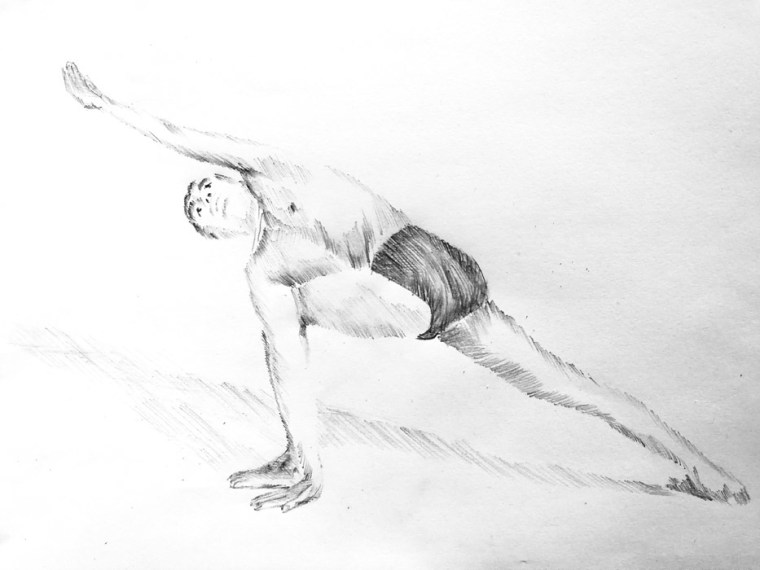
Here I have hatched the whole drawing with many small strokes. The drawing gets a strong play of light and shadow.

Here I have hatched over a wide area, without allowing individual lines to be seen. The drawing appears more vivid and tends to be more physical, firmer and denser.
The hatching with little lines (left) and the hatching without lines but only by flat hatching. The hatching with lines appears much more clear, lightly and sharp and the colors glimmer.


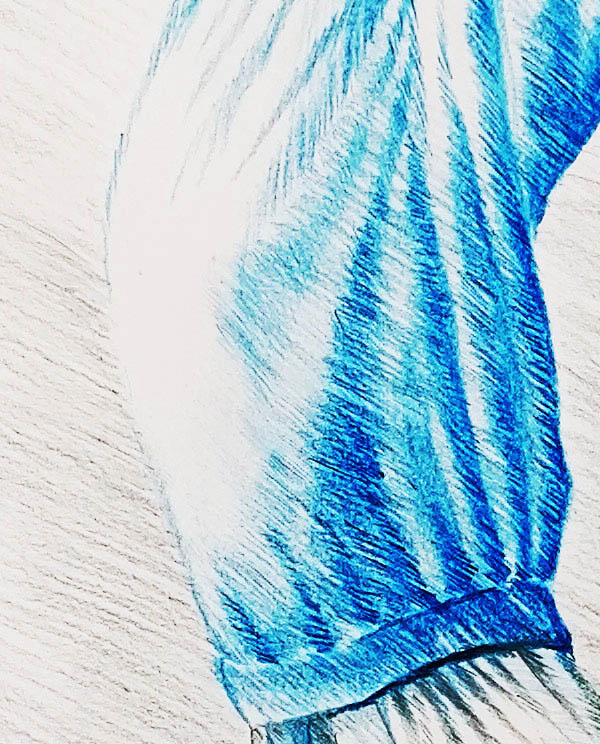

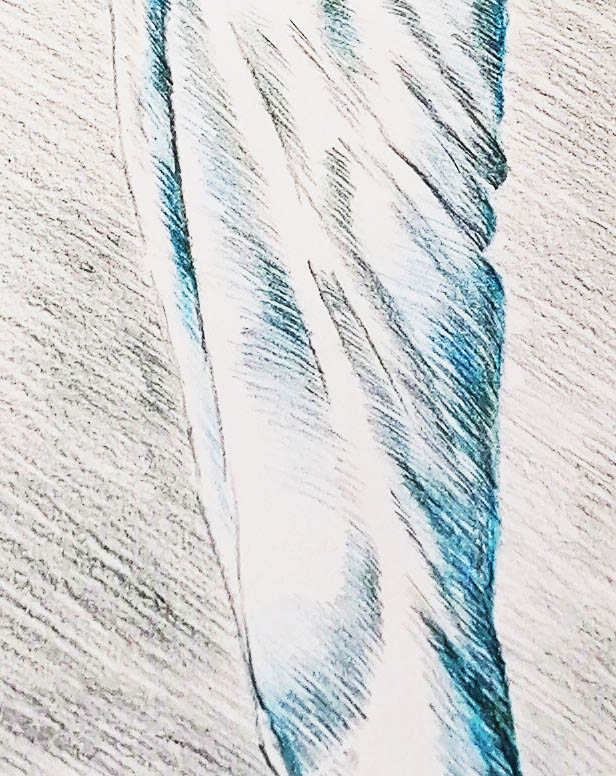
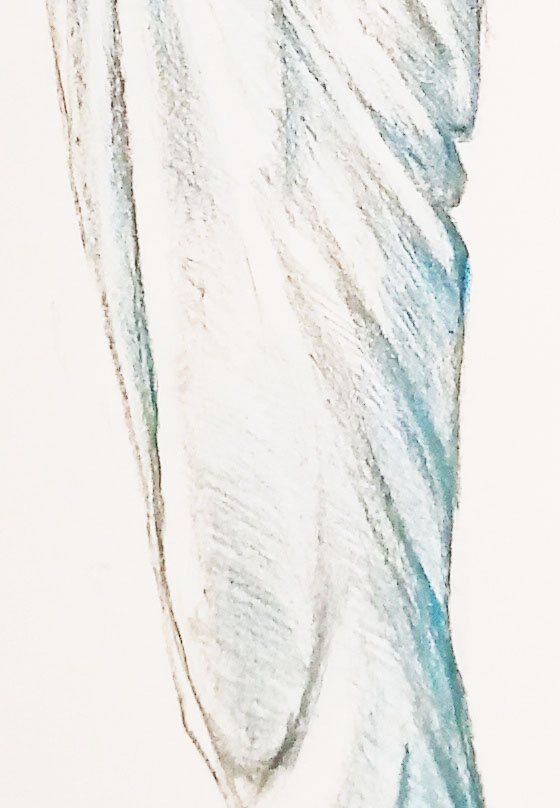
Create thoughts and ideas on how to transform the expression: In a line hatching in which you only hatch the shadows, in a moving contour, etc? A two-dimensional drawing in which you first delicately draw the light shadows and then go further and further into strong darkness, etc.?
“Starting with van Gogh, we are all, as great as we may be, to some extent self-taught – one could almost say naive painters. Painters no longer live within a tradition, and so each of us must recreate all of our expressions. Every modern painter has the perfect right to invent this language from A to Z.” Picasso
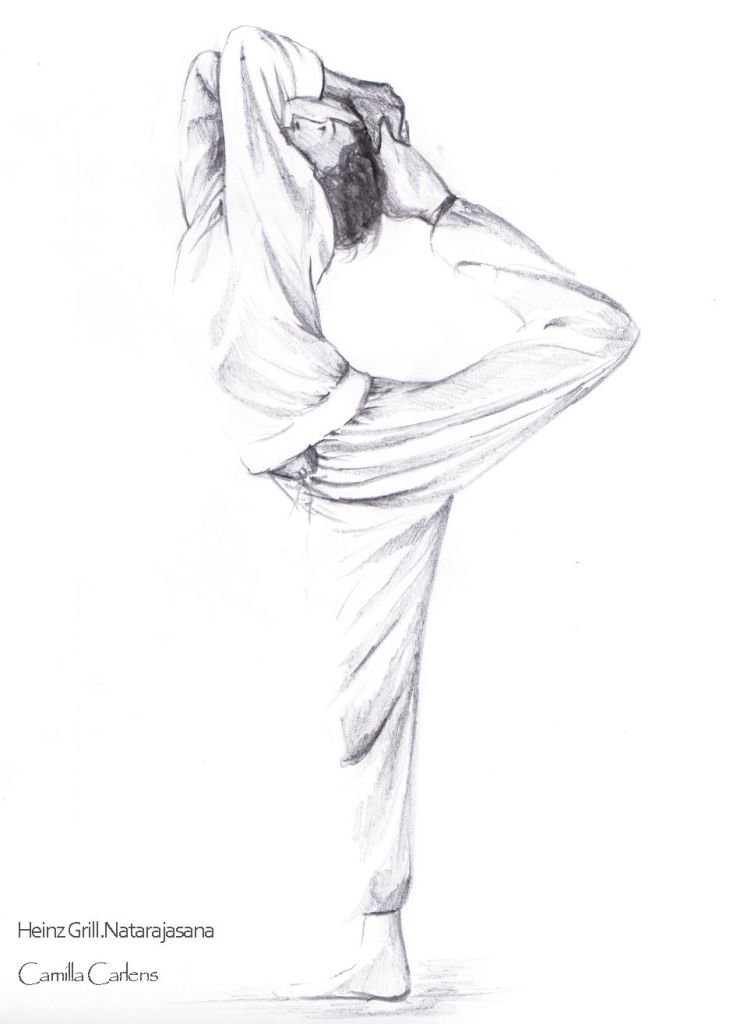
Slideshow : The same pose – in two different technics (hatching with lines – flat hatching without visible single lines)


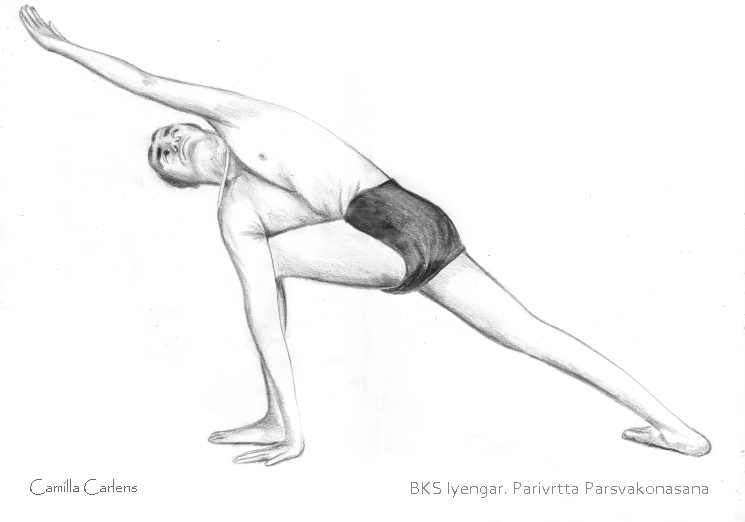
VII. Realize a drawing

If one realizes a drawing, then be aware of this fact:
Expression and material object are two different things! Every thing, has a material side and also an expression. The expression makes the thing alive, it brings a thing to life. If one draws only the body, then the expression is not yet drawn. One does not draw a “real hand”, or the material side, because that is not possible at all. A hand is only a real hand and no drawing. One transforms rather a hand into a drawing.
In drawing, one transforms a concrete observation of the expression of a hand into strokes. One draws the expression and the essence of a certain hand. By drawing not a “hand” – but the expression of a hand, by drawing not a person but the expression of a posture, etc., the drawing will no longer seem dead, it receives the life that one has worked out for oneself by consciously looking and empathizing.
“There is no such thing as abstract art. You always have to start with something. Afterwards one can remove all traces of the real. Then there is no more danger anyway, because the idea of the thing has left an indelible mark in the meantime. It is that which has set the artist in motion, stimulated his ideas, moved his feelings.” Picasso
By this kind of drawing one will draw on the one hand again and again a new hand etc., on the other hand one will develop feelings for the typical of a hand, a posture etc. and learn to bring out the expression by repetition ever more and more strongly. The expression is something boundless. It can grow more and more in a drawing, it can become more and more alive and powerful. There is no end. The drawing perfection has its limits, the expression is infinitely developable.
 Yoga Drawings