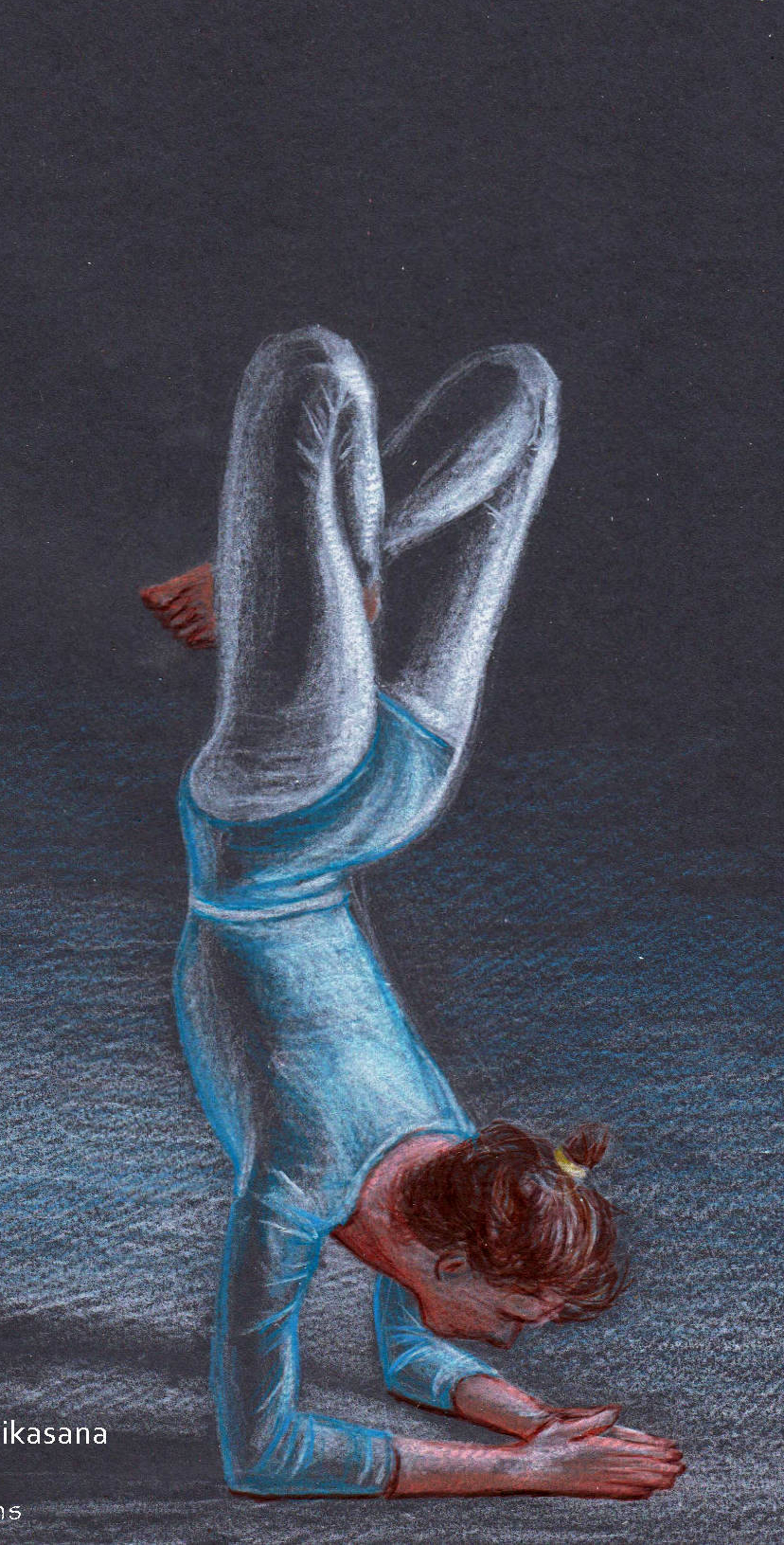
Scorpion Variation. Narayani 
Headstand.Sirsasana.Narayani 
Scorpion Pose. Vrischikasana.Heinz Grill 
Lord of the Dance Pose. Natarajasana. Heinz Grill 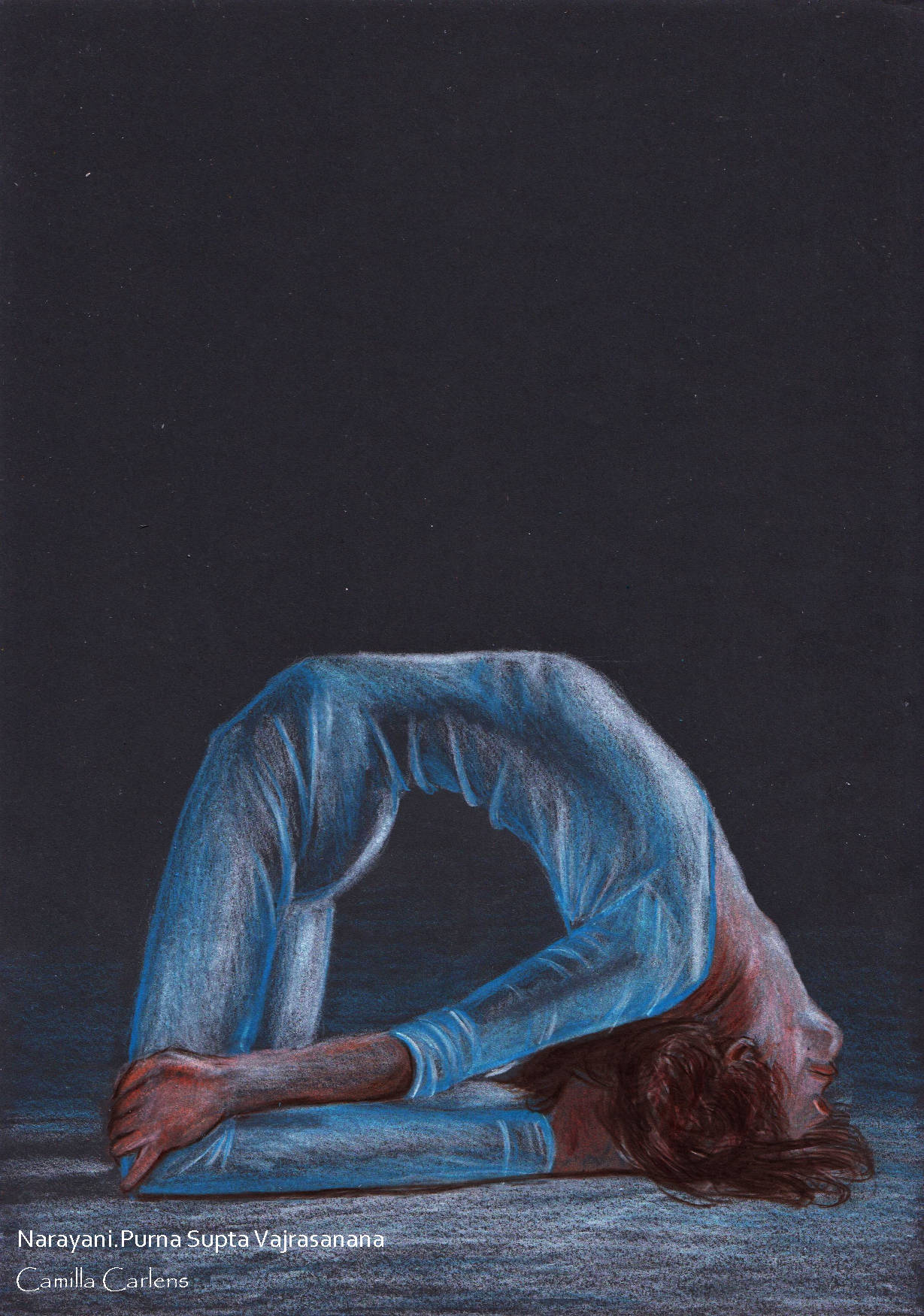
Diamond Pose. Purna Supta Vairasana Narayani. 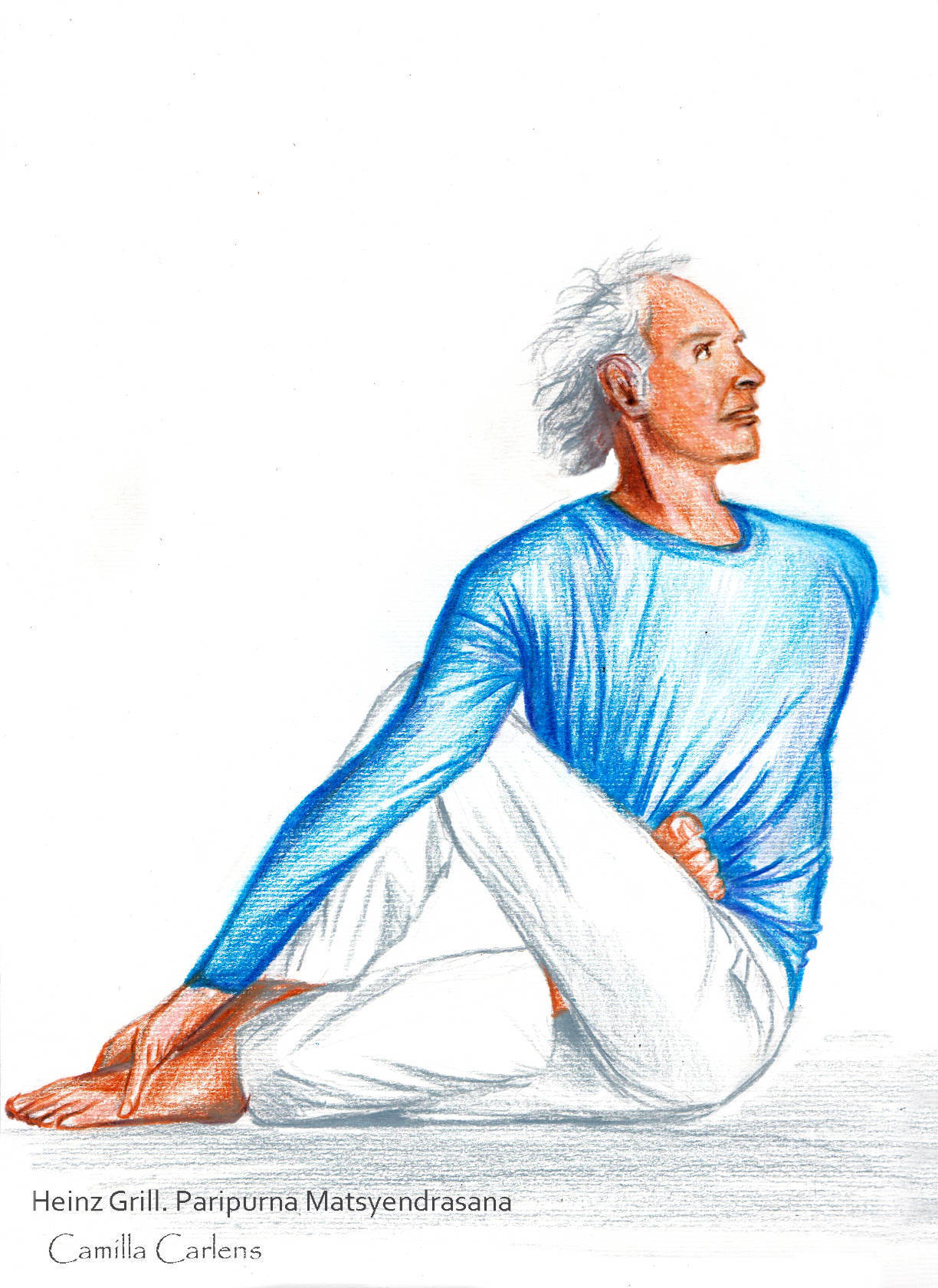
Full Sitting Twist Pose. Paripurna-Matsyendrasana. Heinz Grill. 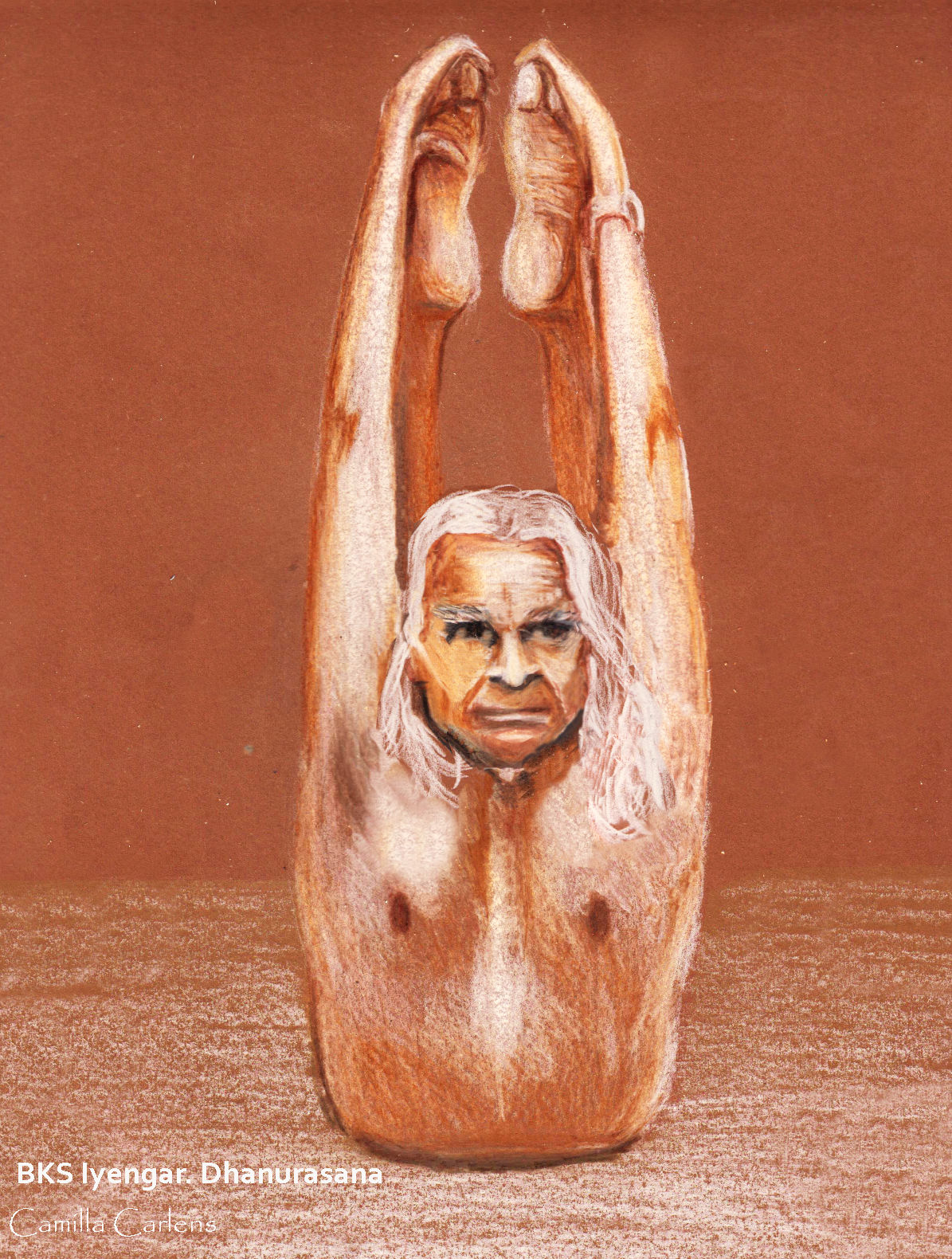
Bow pose. Dhanurasana.BKS Iyengar. 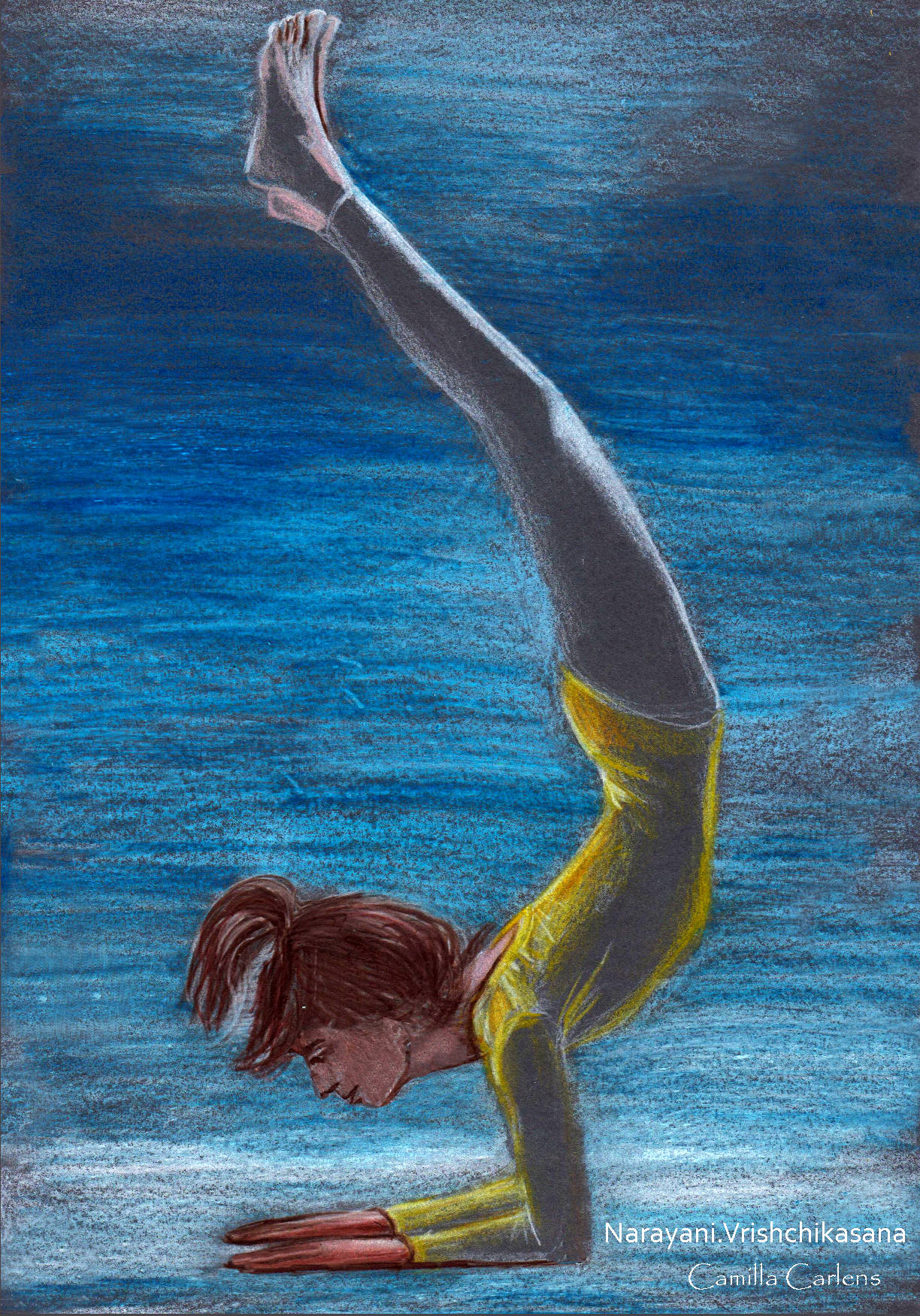
Scorpion Pose. Vrishchikasana. Narayani 
Lord of the Dance Pose. Natarajasana. Young Girl 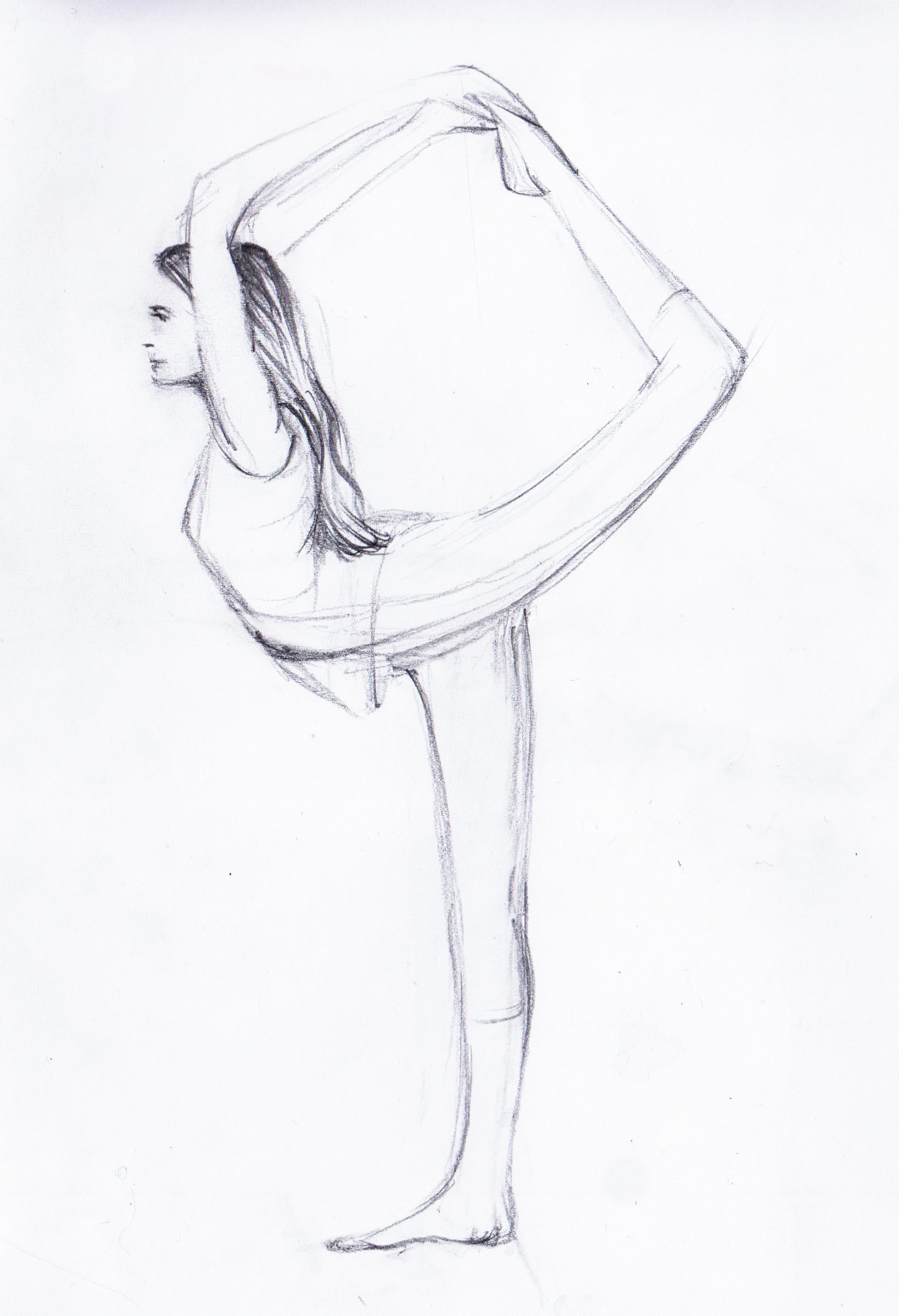
Lord of the Dance Pose. Natarajasana. Young Girl 
Lord of the Dance Pose. Natarajasana. Heinz Grill 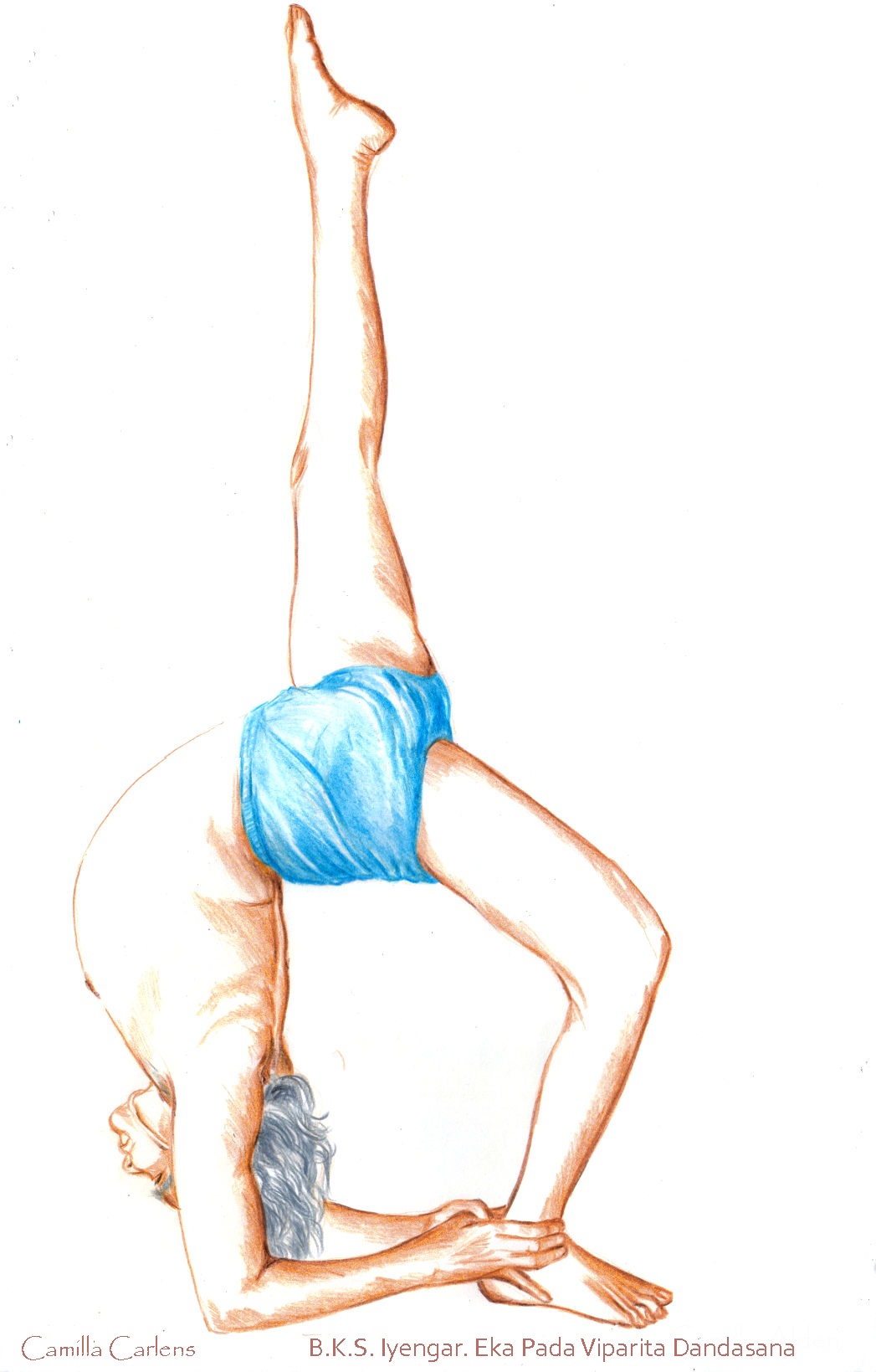
BKS Iyengar. Scorpion-variation. Eka Pada Viparita Dandasana 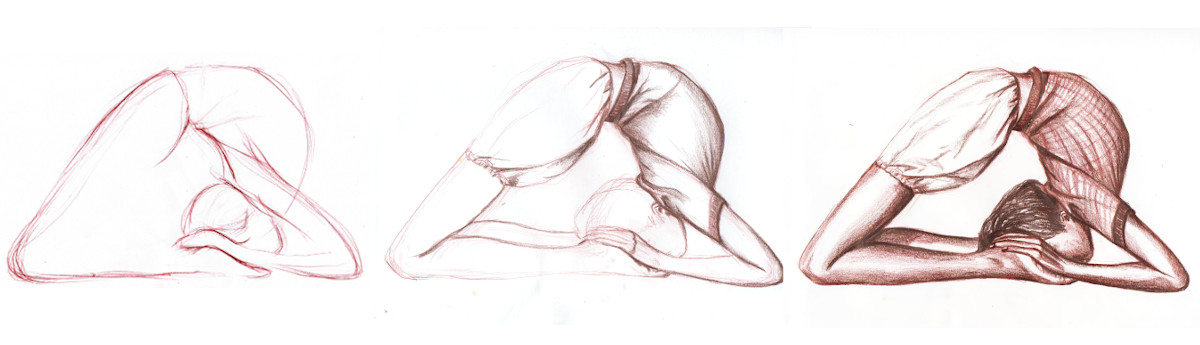
Diamond Pose. Purna Supta Vajrasana. Geeta Iyengar 
Lord of the Dance Pose – standing splits variation. unknwon 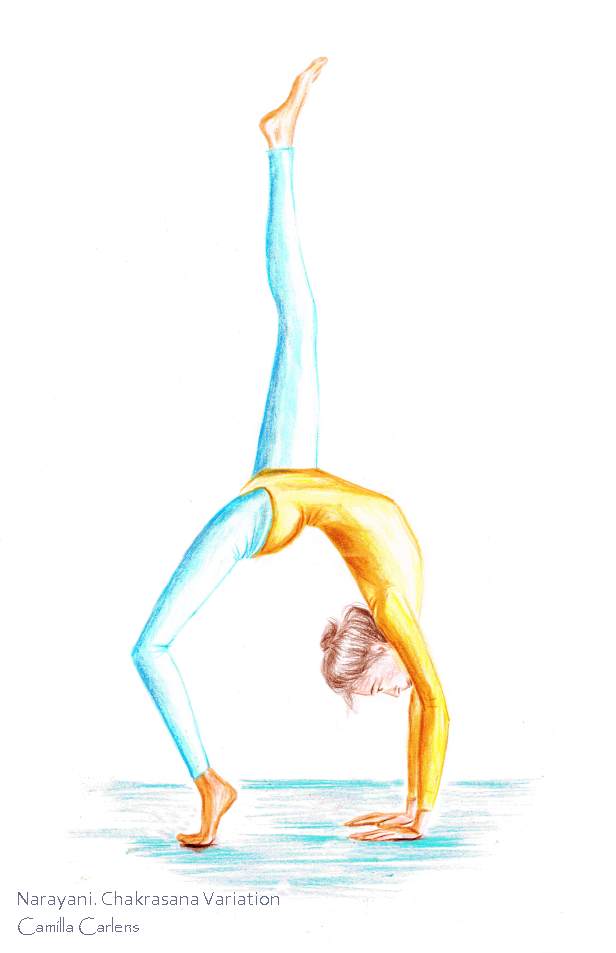
Wheel Pose. Chakrasana. Narayani 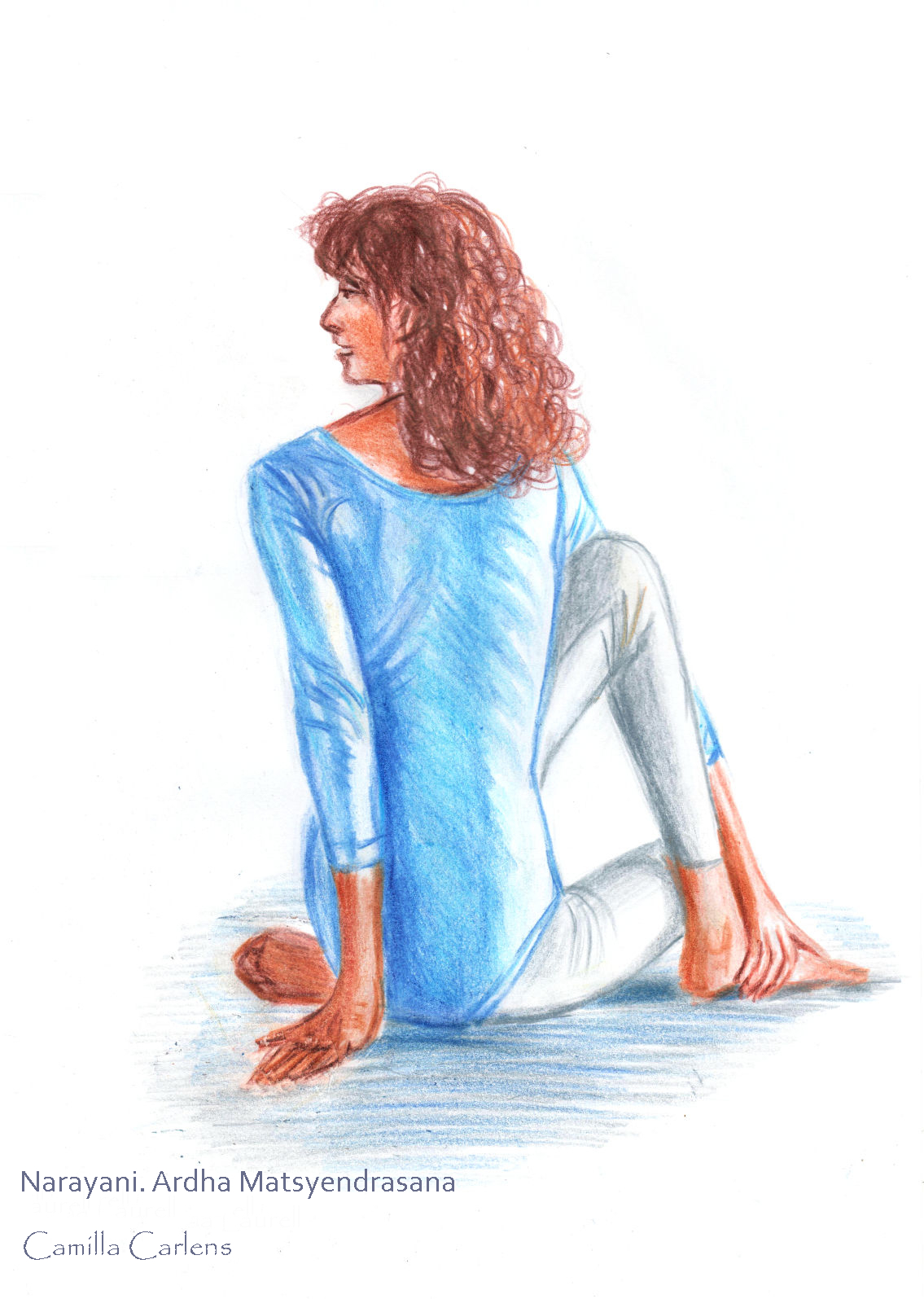
Sitting Spinal Twist. Ardha Matsyendrasana. Narayani 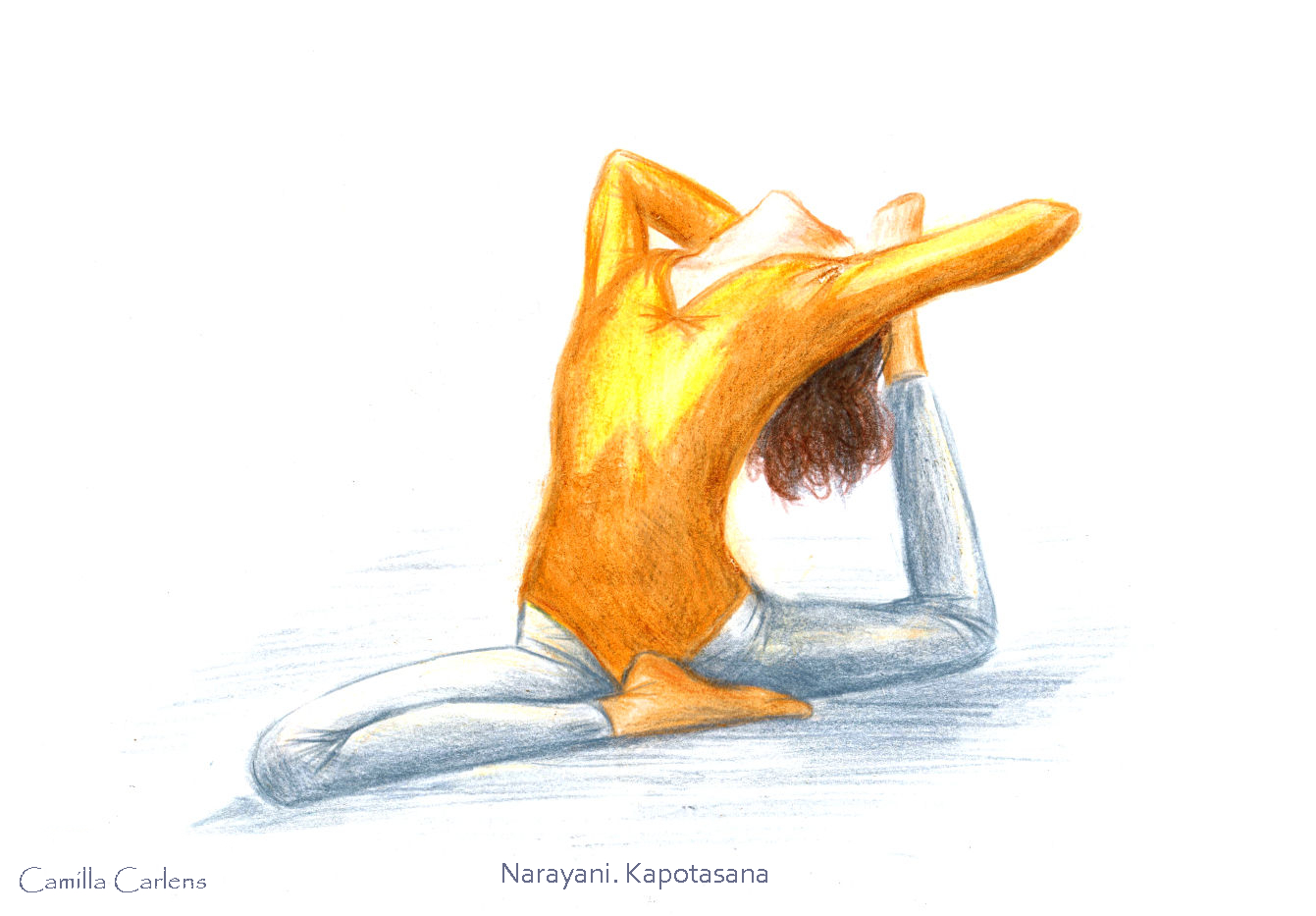
Pidgon Pose. Kapotasana. Narayani 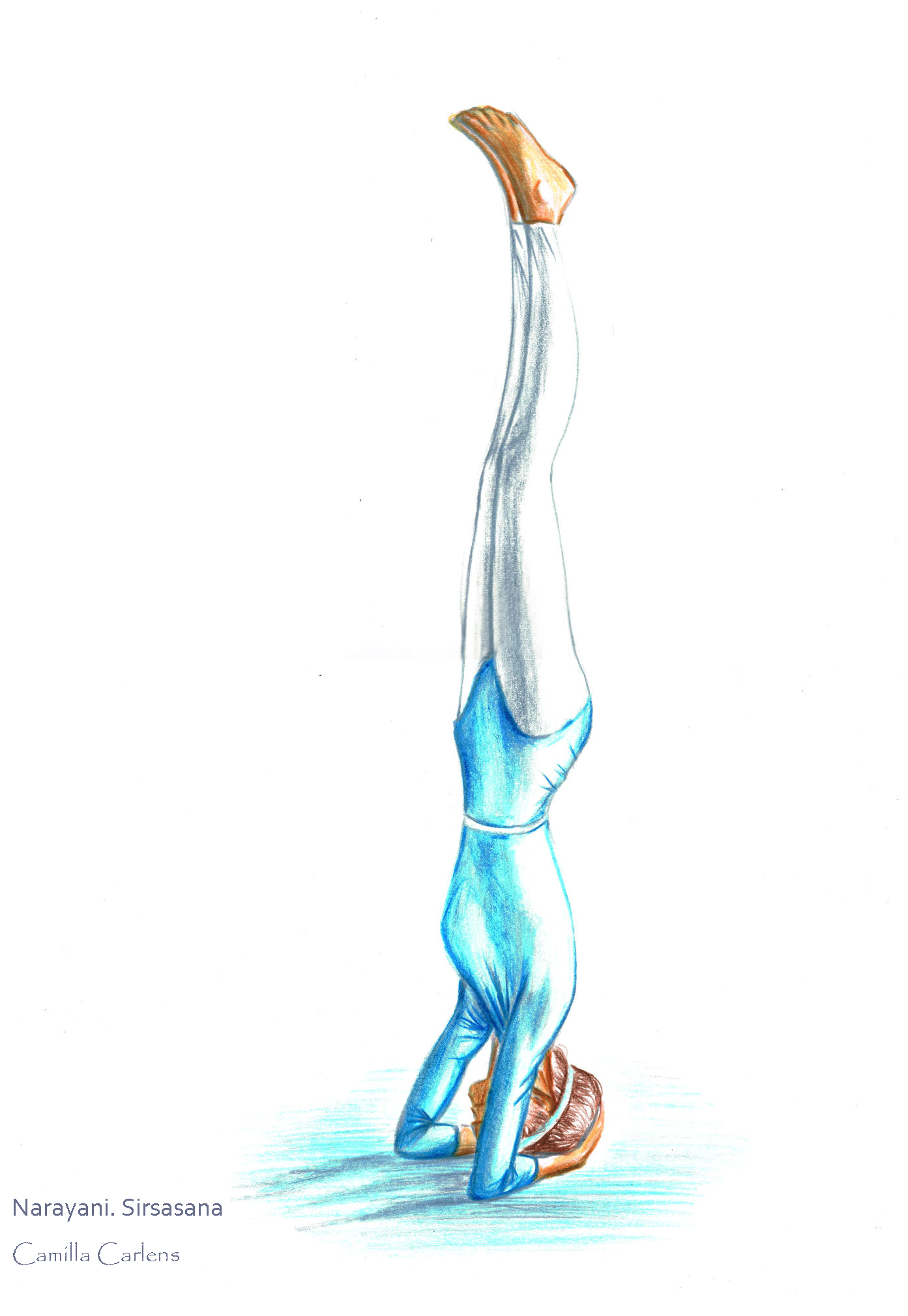
Headstand. Sirsasana. Narayani 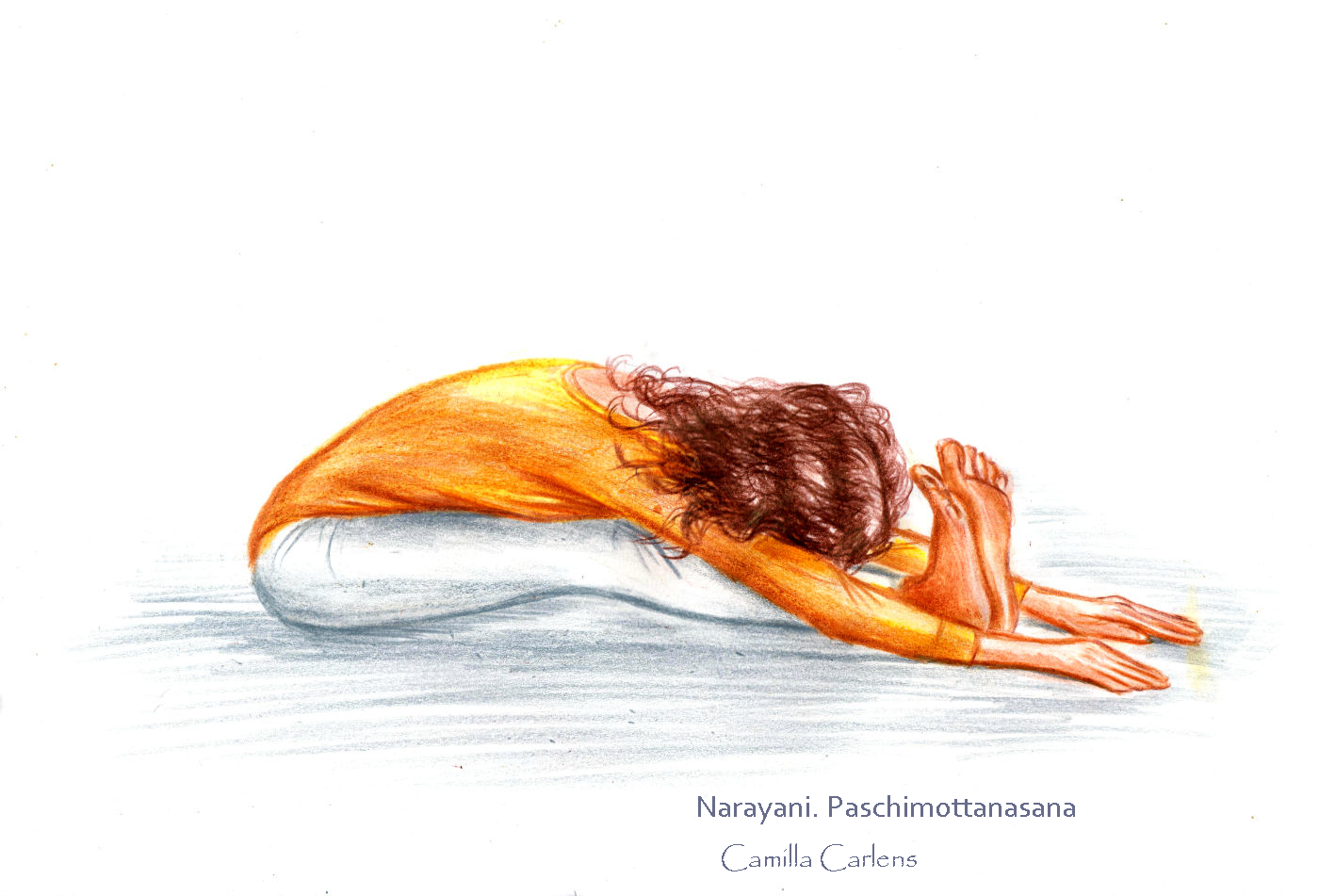
Head To Knee Pose. Pascimottansana. Narayani 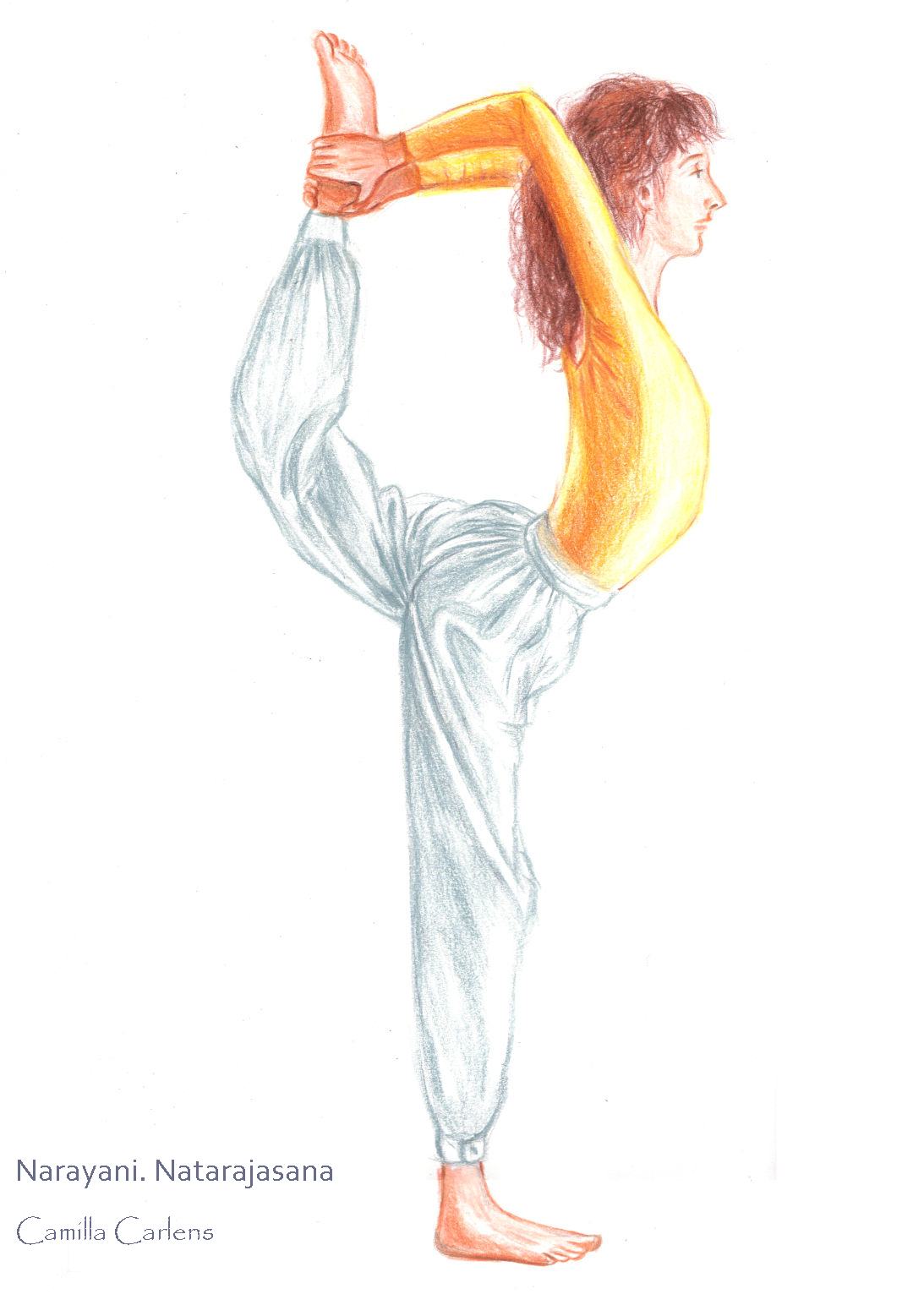
Lord of the Dance Pose. Natarajasana. Narayani. 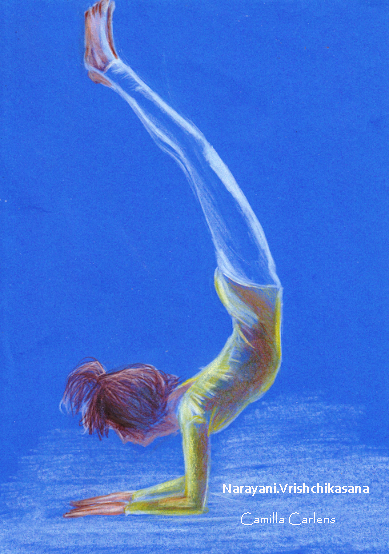
Scorpion. Vrishchikasana. Narajani. 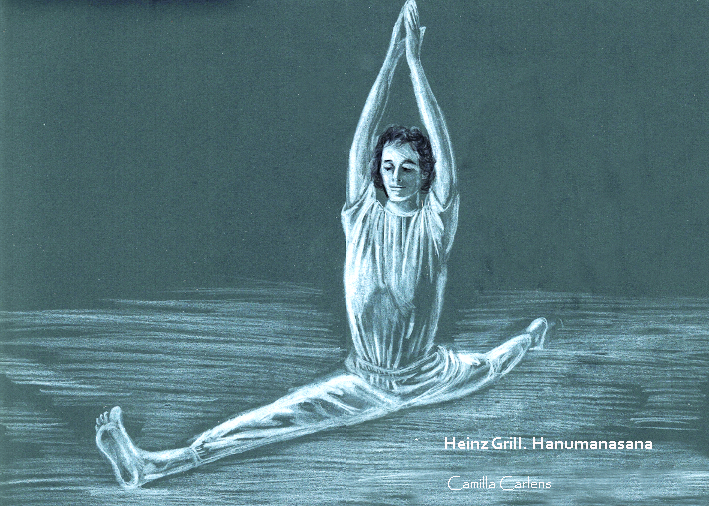
The Splits. Hanumanasana. Heinz Grill 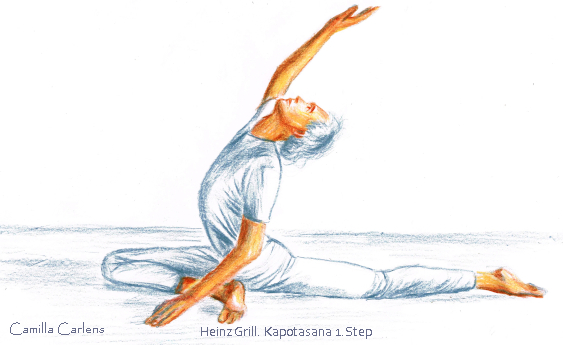
Pidgon Pose. 1.step. Kapotasana. Heinz Grill 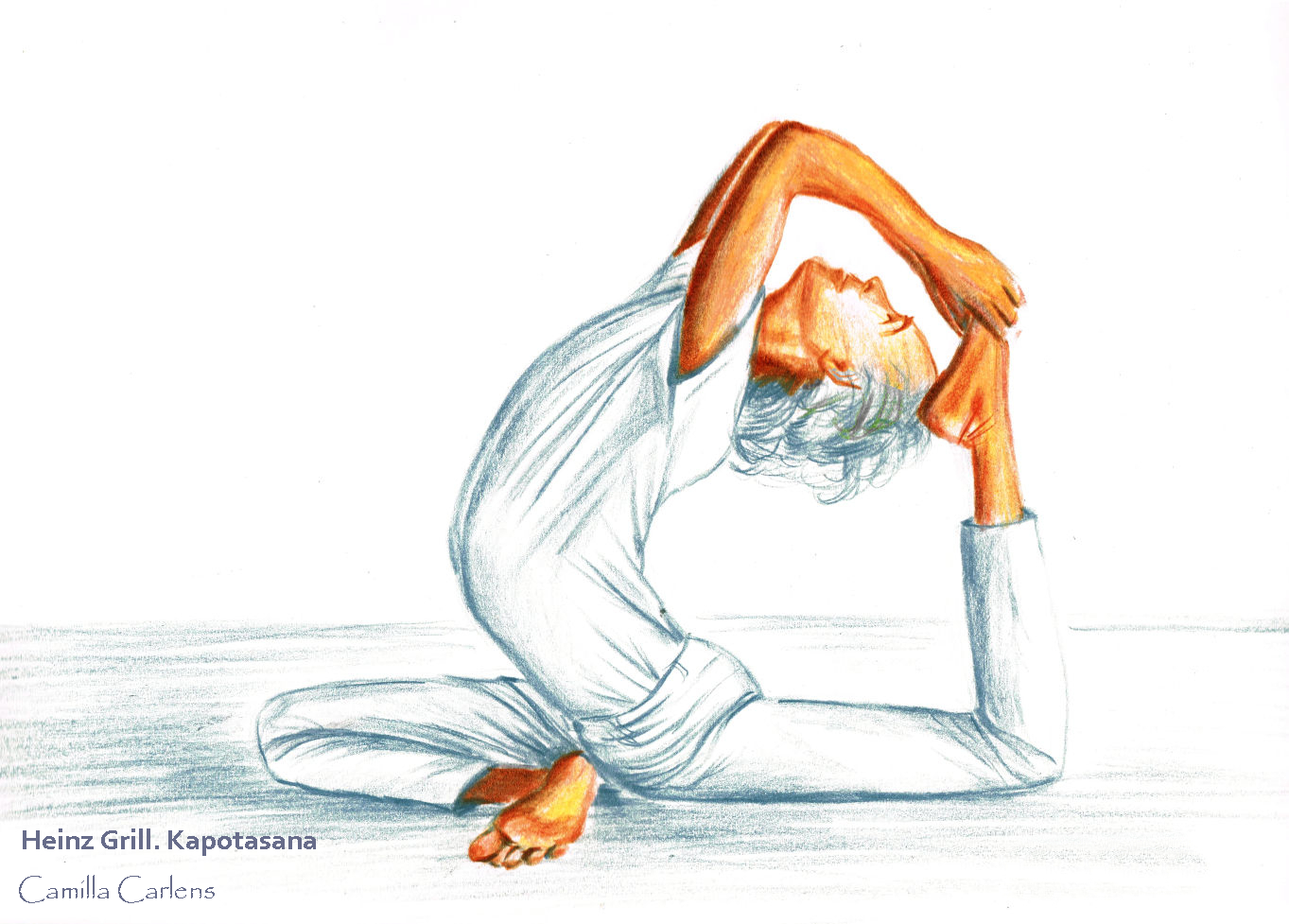
Pidgon Pose. Kapotasana. Heinz Grill 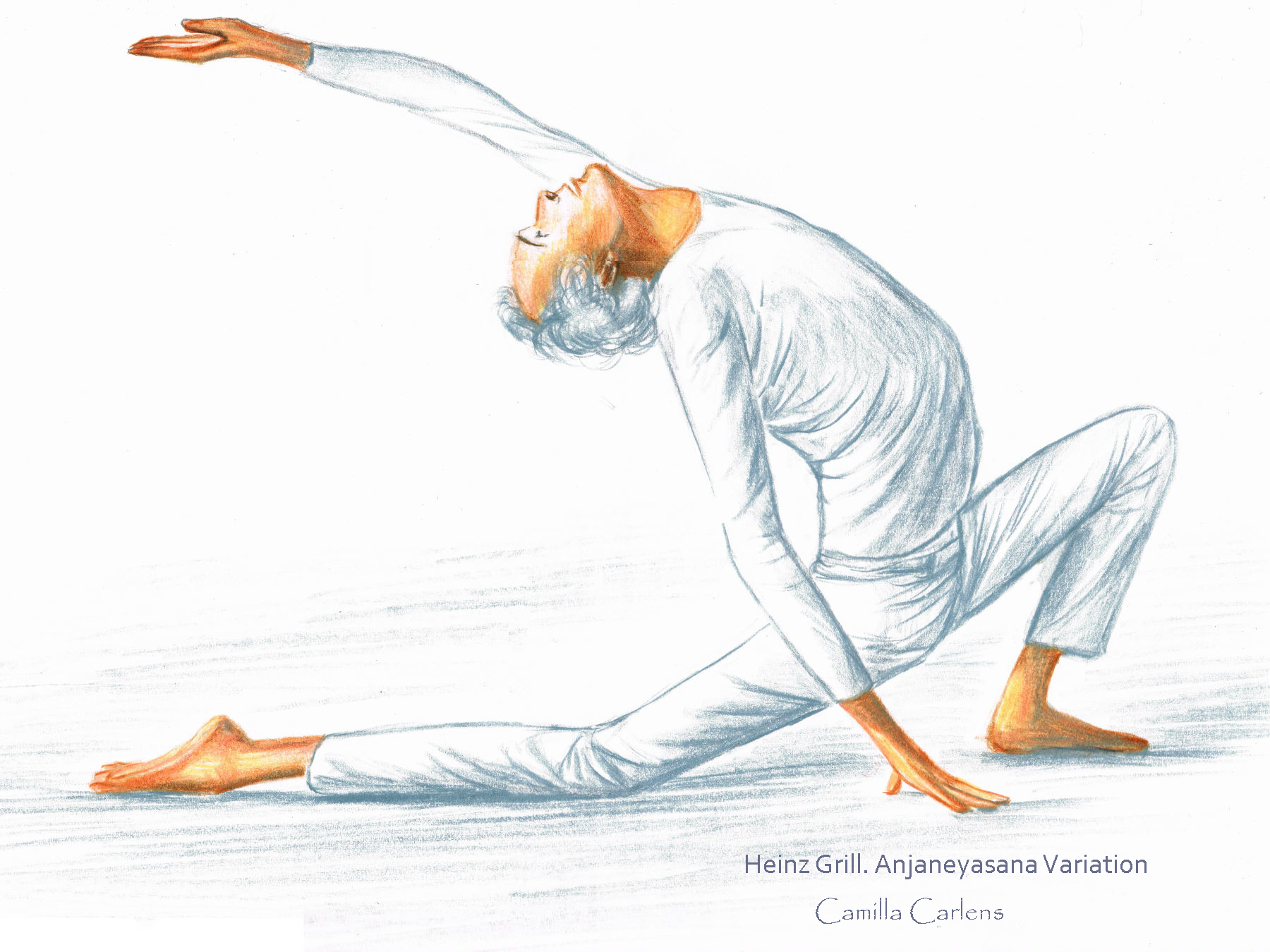
Crescent Moon Pose. Anjaneyasana. Heinz Grill 
Crescent Moon Pose. Anjaneyasana. Heinz Grill 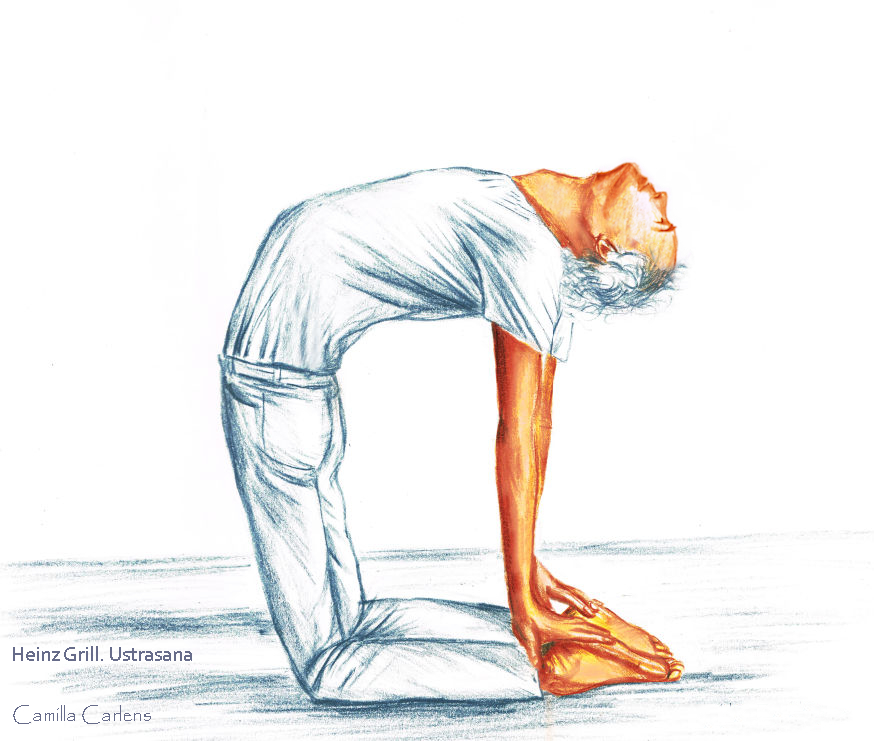
Camel Pose. Ustrasana. Heinz Grill 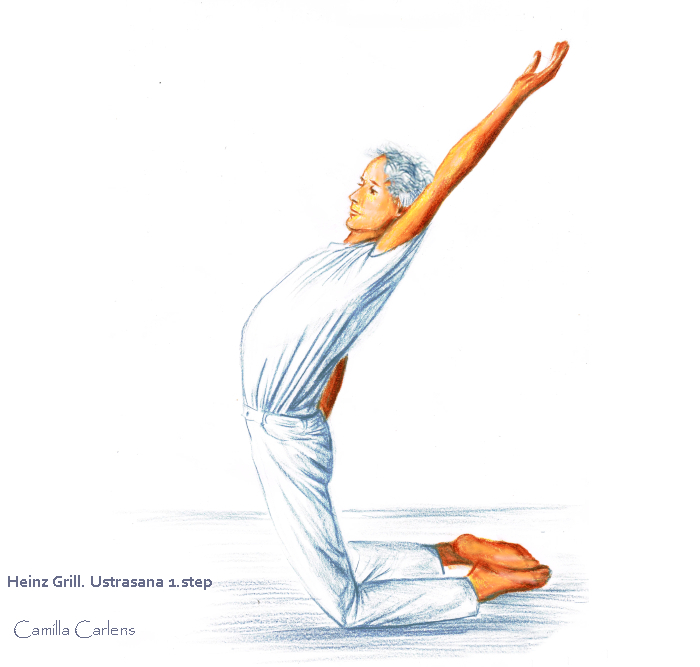
Camel Pose- 1. step. Ustrasana. Heinz Grill 
Scorpion Pose. Vrishchikasana. Giris Rabinovitch 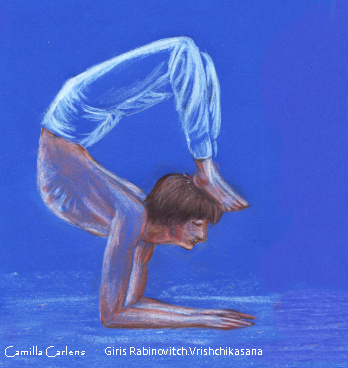
Scorpion Pose. Vrishchikasana. Giris Rabinovitch 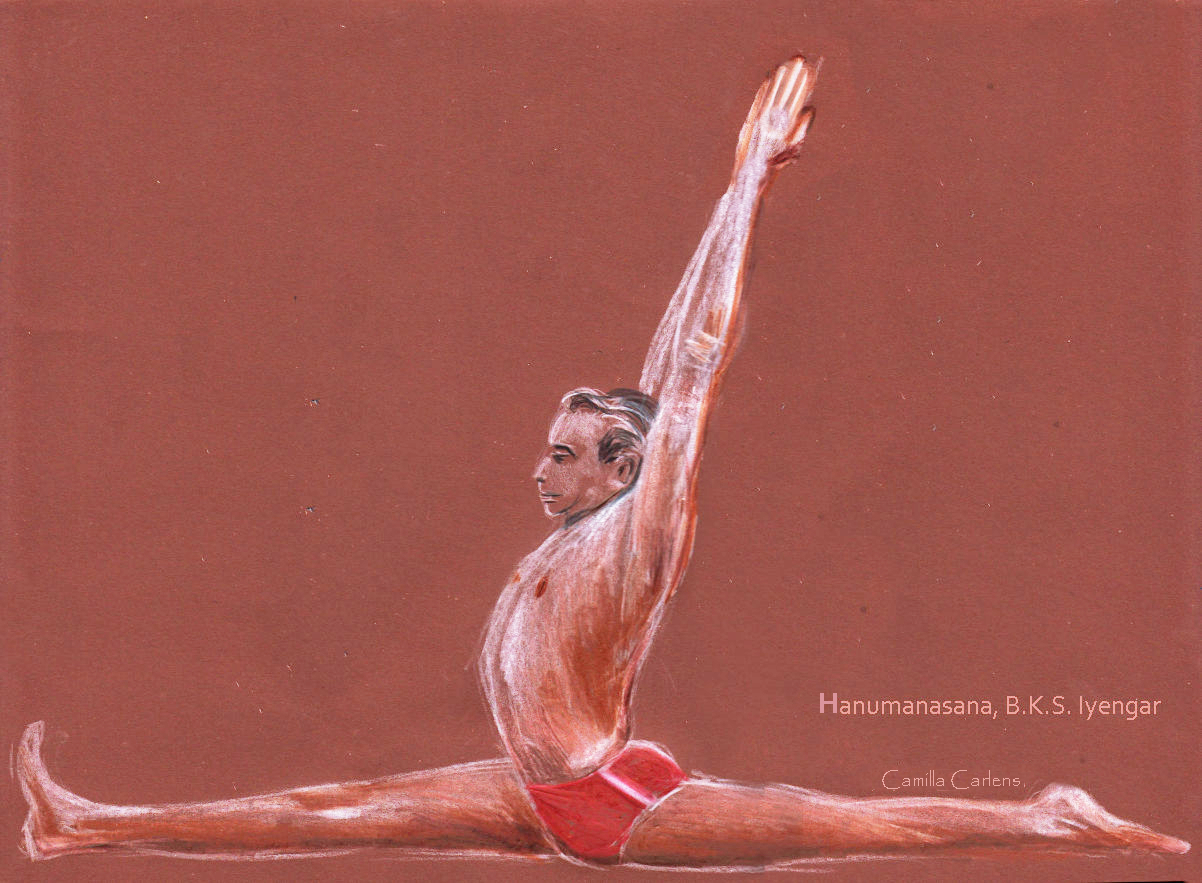
BKS Iyengar. The splits. Hanumanasana 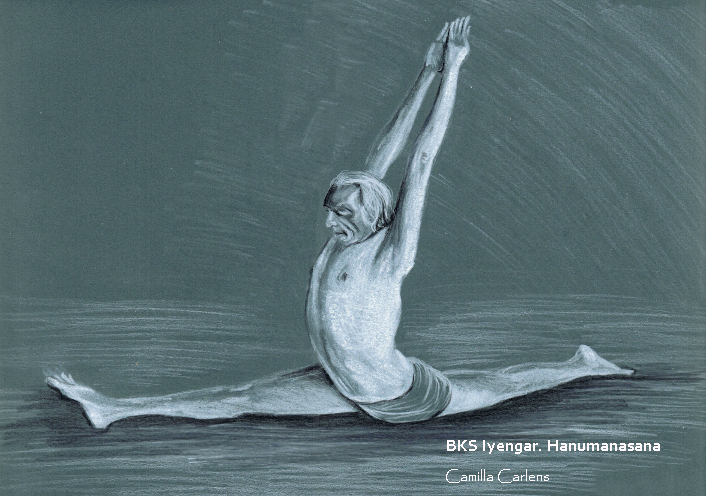
BKS Iyengar. The splits. Hanumanasana 
BKS Iyengar. Dancer´s pose. Natarajasana 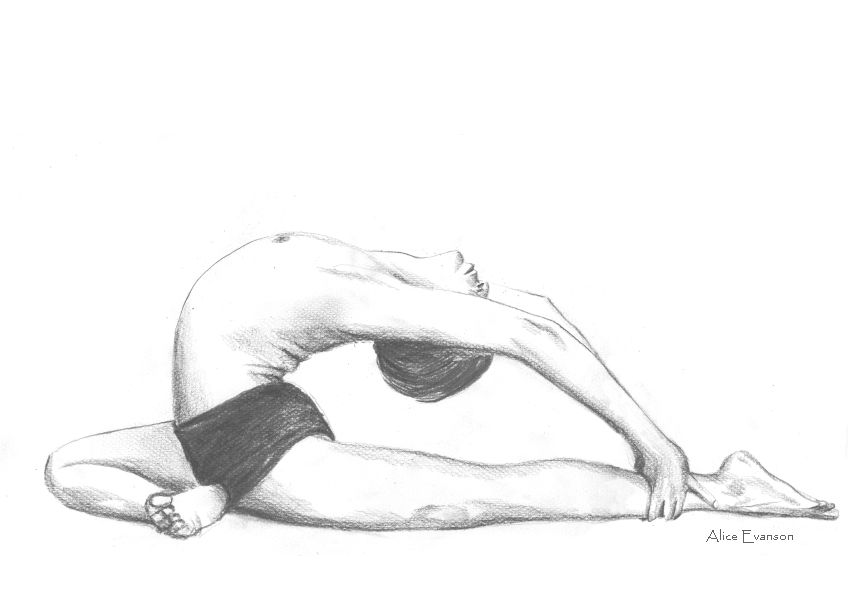
Pidgon Pose. Kapotasana. BKS Iyengar 
Skorpion Pose. advanced variation. BKS Iyengar 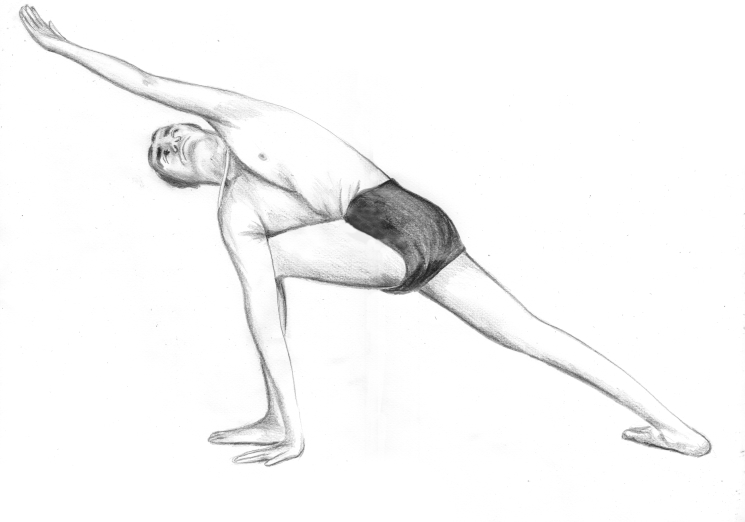
parivrtta parsvakonasana. Iyengar 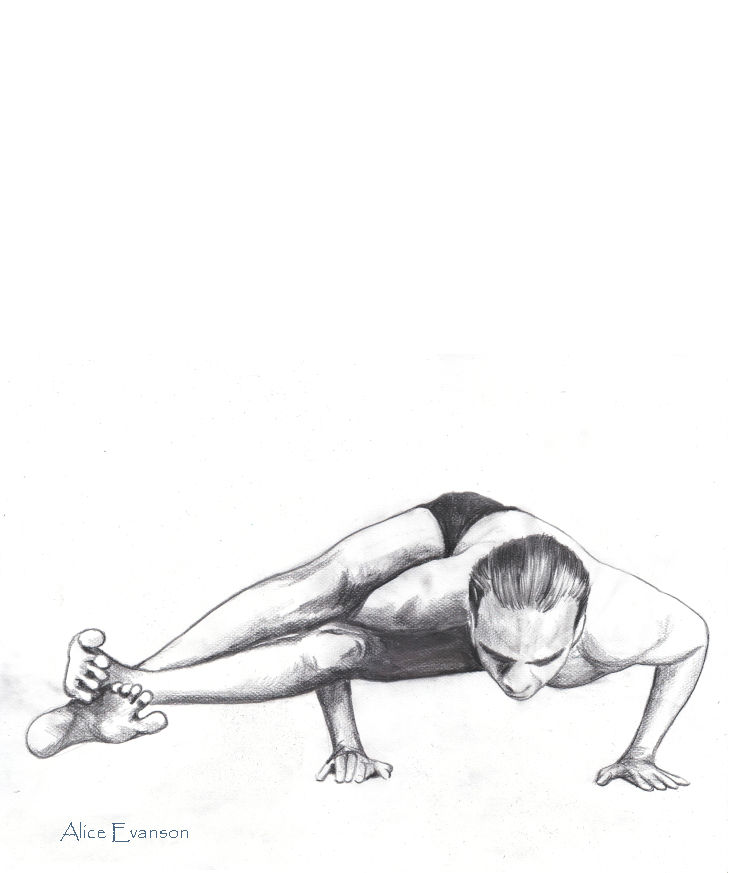
Astavakrasana.BKS Iyengar 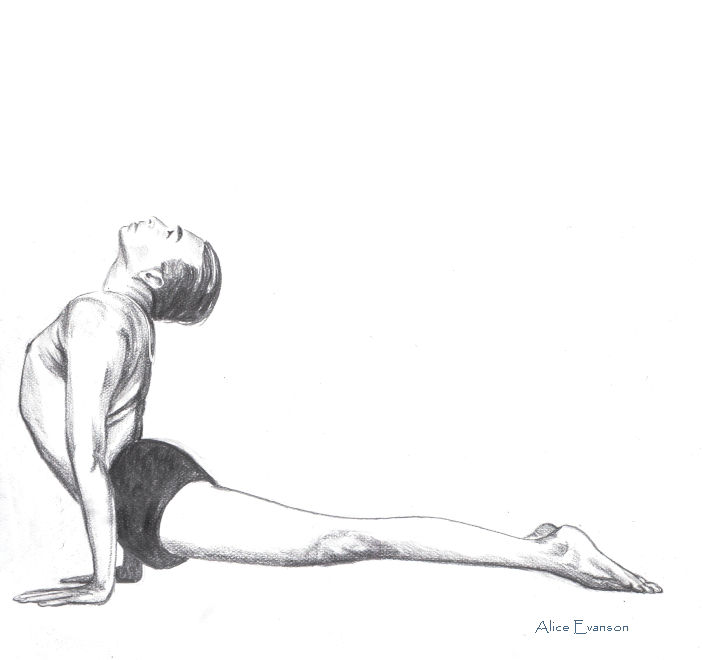
Upwards facing dog pose. Urdhva Mukha Svanasana. BKS Iyengar 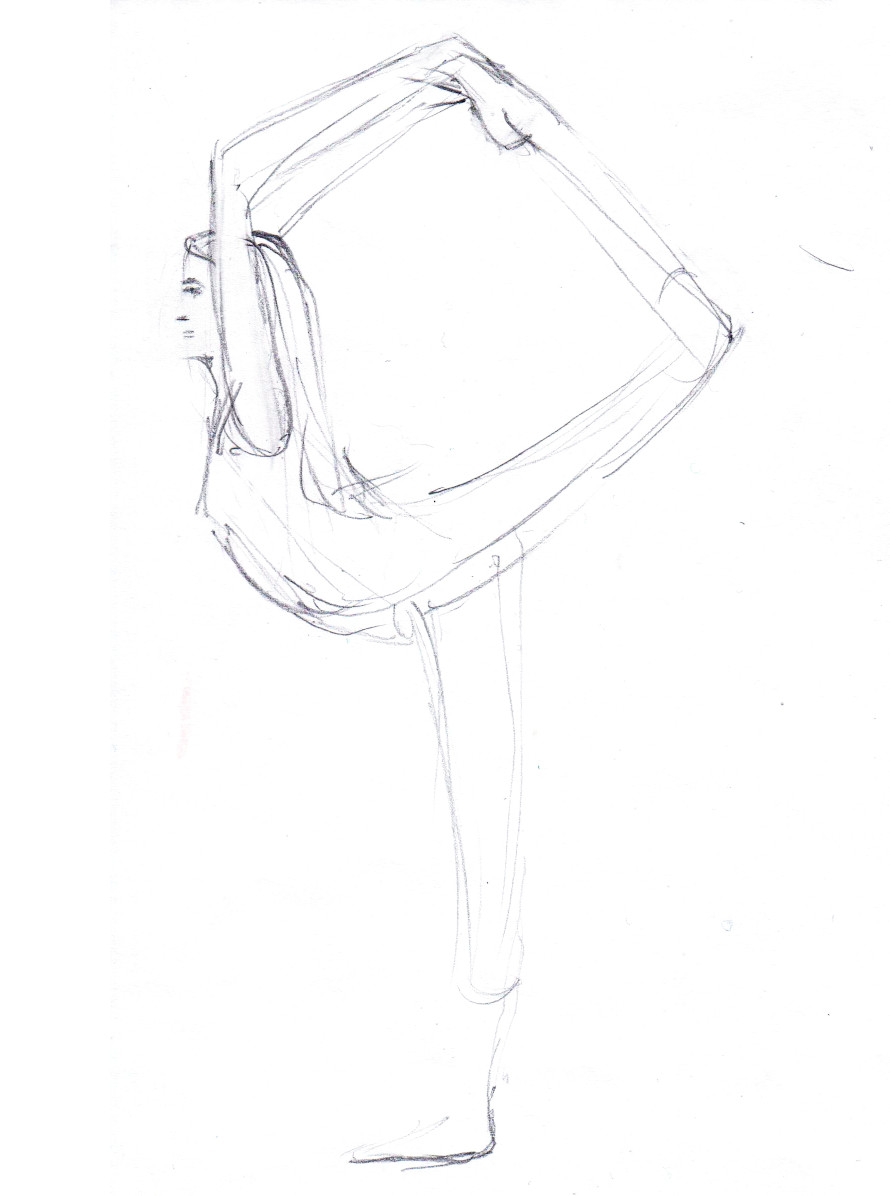
Lord of the Dance Pose. Natarajasana. Sketch of a young girl 
Diamond Pose. Vajrasana. Geeta Iyengar
Drawing Tipps
Here are some studies, tipps and ideas I find useful for improving drawing yoga refering to the following topics:
1. The Pose – Dynamic within static

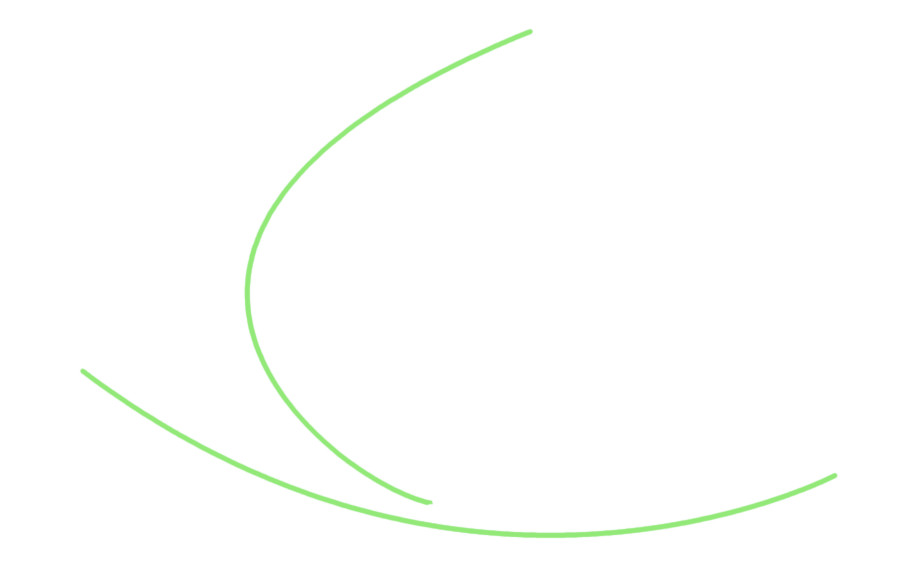
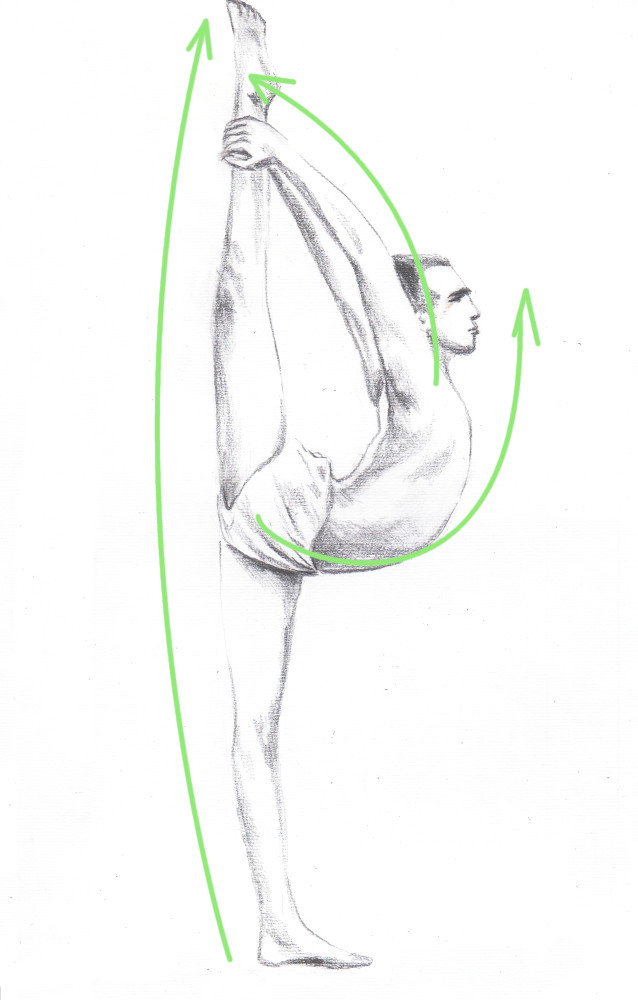
If we look at a picture peacefully, we can feel a abstract movement – if it exists. In this Anjaneyasana pose are two major movements. One is concave and leads the legs, and the other one is convex and rising and refers to the upper body.
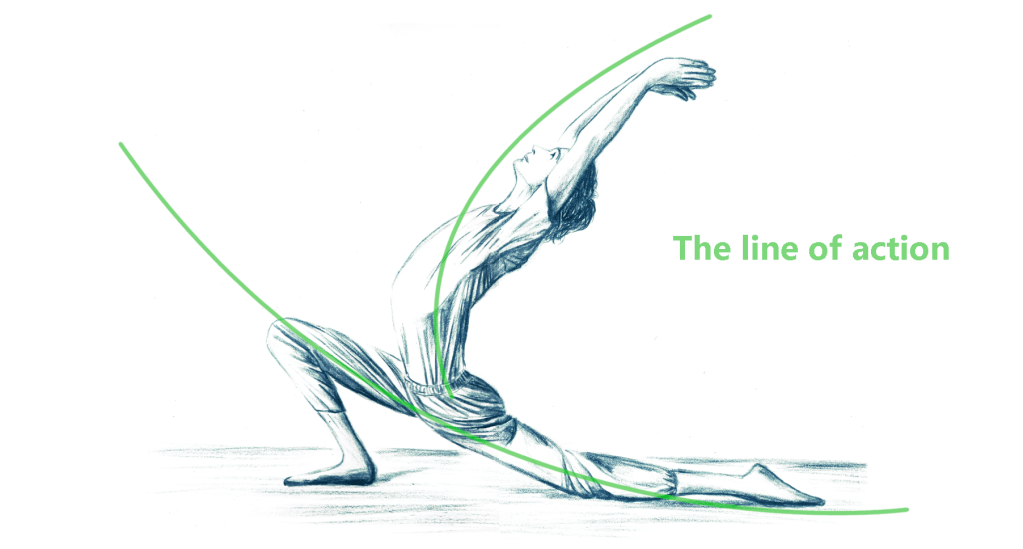
I have eperienced quite often people think a (yoga) pose is something static. But a pose can have inner dynamic and abstract movement. A pose can show this lively quality even though the body does not move. In art, these lines are called “lines of action” and show the major movement of a pose.
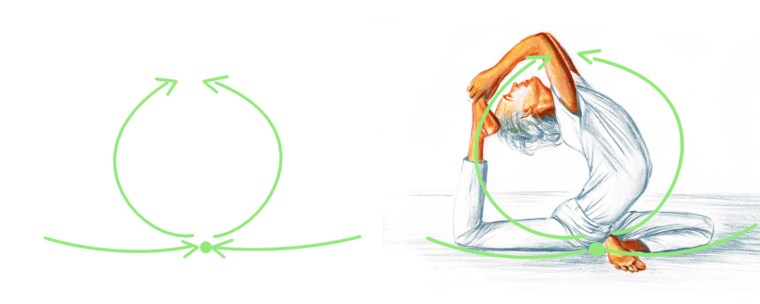
2. Yoga Poses and lines of dynamic
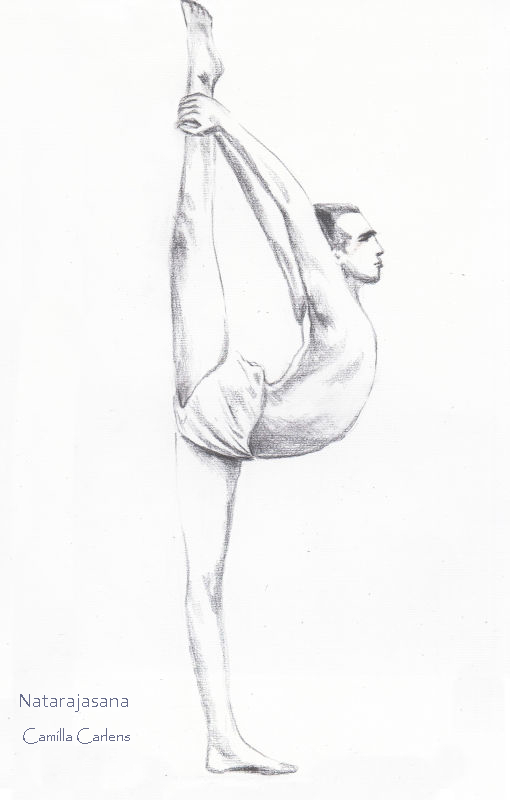
A pose can be shaped in a lot of different ways. The dynamic of a pose can be created by many different ways. Here are some examples for different qualities of dynamic in yoga poses.


2. Abstraction
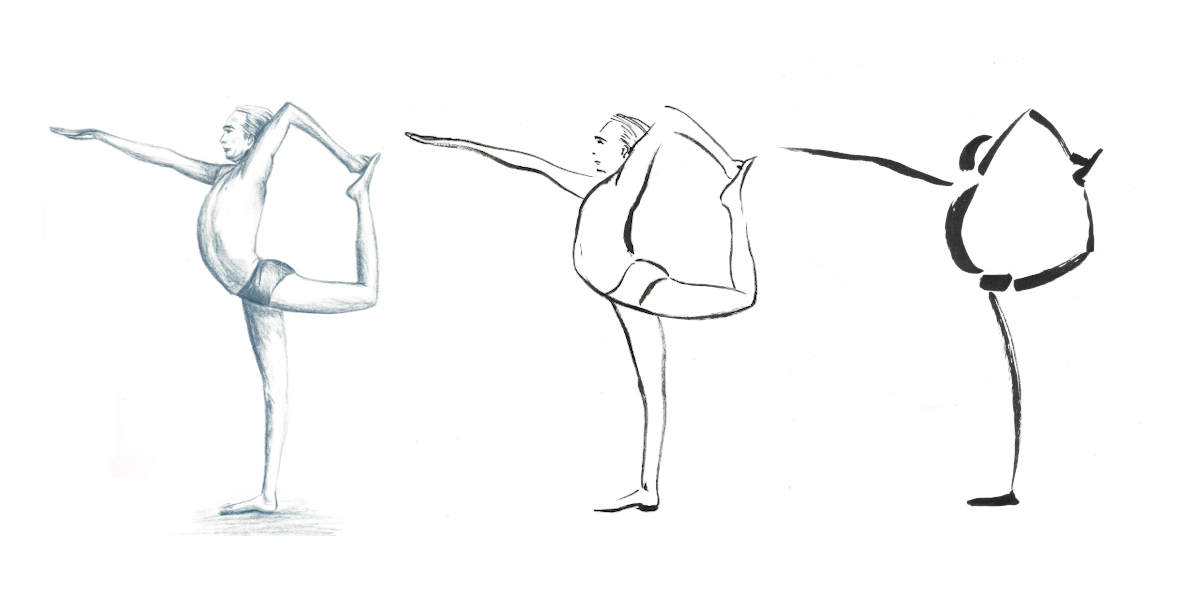
Abstraction has a lot of different meanings. Abstraction for me means increasing the characteristics. The characteristics can be worked out like a “sculpturing” process. The aim is to get and increase the individual quality. For me working out the main qualities is the abstractional process and abstraction. So abstraction does not mean to “reduced” but to increase and create the unique, typical quality.
3. Expression
Geeta Iyengar. Diamond Pose. Purna Supta Vajrasana
What does expression mean? In Art expression is mostly and most common used in terms of self-expression. So the expression referes to the artist itsself. Another meaning referes to gesture drawings, meaning this is a expressiv drawing or painting. There is also an expression referring to the subject I draw. Every pose has significant qualities. These qualities can be stronger or weaker, but there are unique qualities in a Pose. These qualities make things in general recognizable. If I want to portrait a pose, the pose gets the more significant, the better I can recognize and transfer these qualities into my drawing or painting. This is an act of giving individuality. And this a work, that cannot be done by a computer machine. I can give expression to a drawing and I can improve this expression, I can exaggerate this expression, I can isolate this expression. It is like purifing. The expression is a result and the better I get the expression the purer becomes the expression. So drawings can make visible qualities.
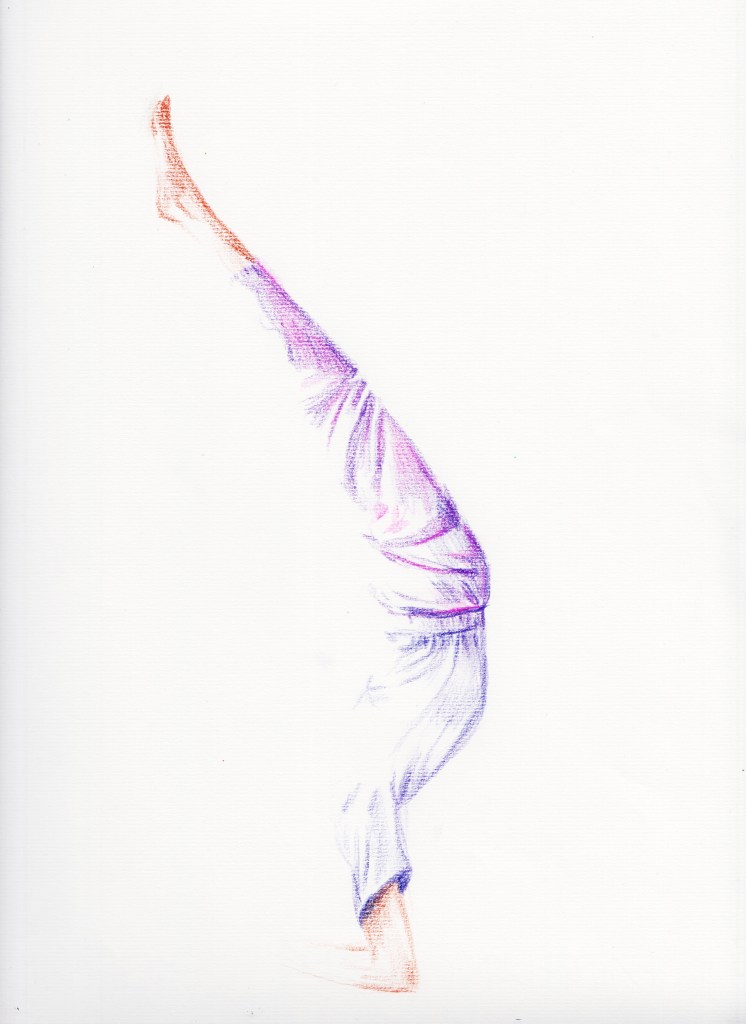
4.Shading
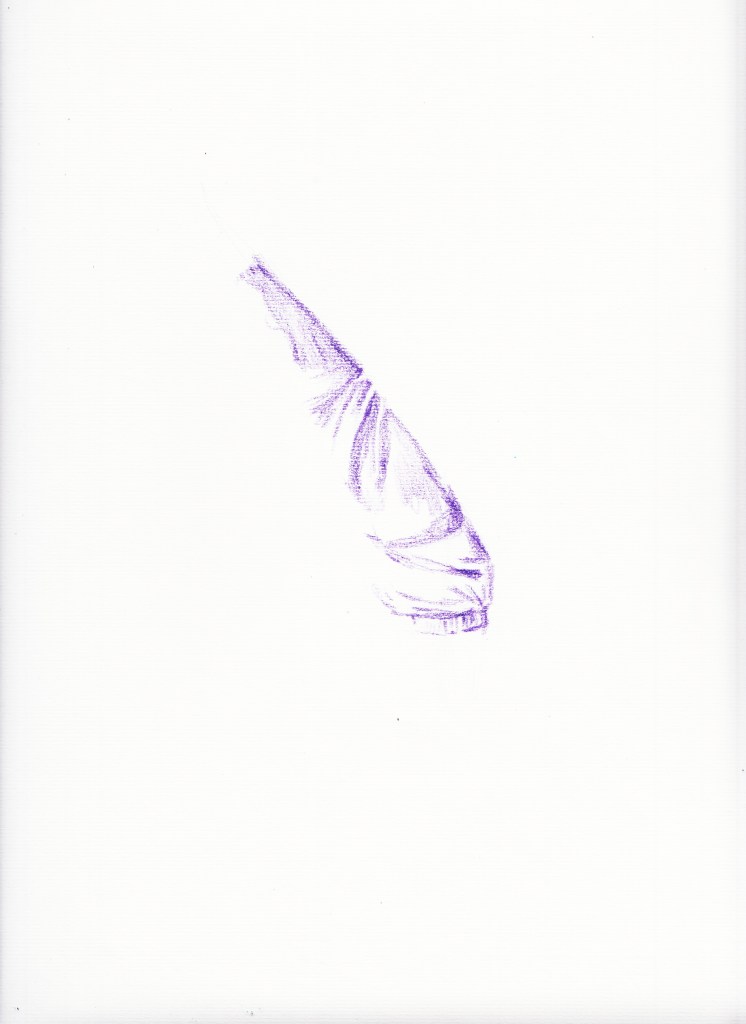
Shading is a very easy way, how everone can learn and make progress in drawing. Most important is observing!!! First and most important is to observe the shades of your model pose, you want to draw. A pose with wrinkles in cloth is recommended because wrikles create shades. The wrinkles create shades and express the movement. Pay attention to only draw the shades. There exist shades of different grades of darkness. Some shades are very dark, some are medium dark, some light and not very dark. Pay attention to draw yout shades in the same level you can observe. For that you can mix two colores or chose one color in different grades. You don´t have to draw all shades the same way. Sometimes it only needs necessary shades, which are most important for the shape. So it is up to you to decide, which shade you want to emphasis.
1.Observe one region, you want to start with
2. Chose the suitable color.
3.Start to draw the shades, you observe
4.step by step draw the whole figure,.

5. Objectivity – Leonardo da Vinci

Something I observe quite often is, that I draw a picture of someone, but I recognize in my drawing more myself than someone else. I draw a face and the feeling, the expression, the proportion remindes me of myself. This phenomenon is quite flexible. I draw someone and the expression but the body I draw shows my own mood and I portrait the feeling of my self instead.
Leonardo da Vinci wrote about this in his “Trattato della pittura” – a treatise of painting. This book I recommend for drawing painting artists. You can find it online in Gutenberg.org, here is the link: A Treatise of Painting-Leonardo da Vinci. As he says shoud train to be objective.
He says : I saw a lot of paintings and I was astonished, that I recognize in a lot of paintings that the face, the movements, the facial expression is similar to the artist hisself. Is the master someone who is lively and vivid, also his figures show the same life and vitality …. Is the master not well proportioned, also his people he draw are not well proportioned. ….The condition of soul and body of in a painting follows the master, the artist. (Number 73, Trattato della pittura) He recommends to study variety and to study the differences, observing well.
This video “2People-2Expressions” shows always two different persons creating the same yoga pose. By seeing two pictures at the same time individual differences can be recognized easier.
 Yoga Drawings